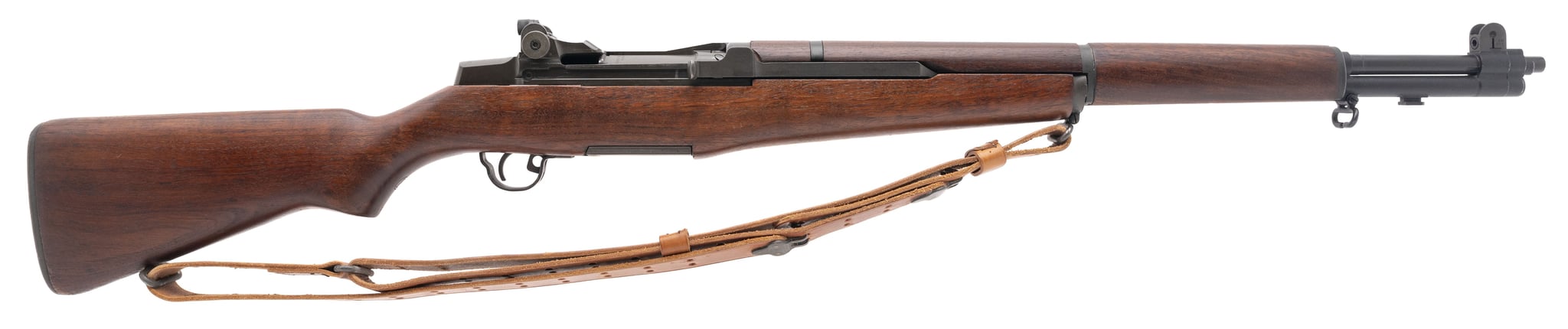
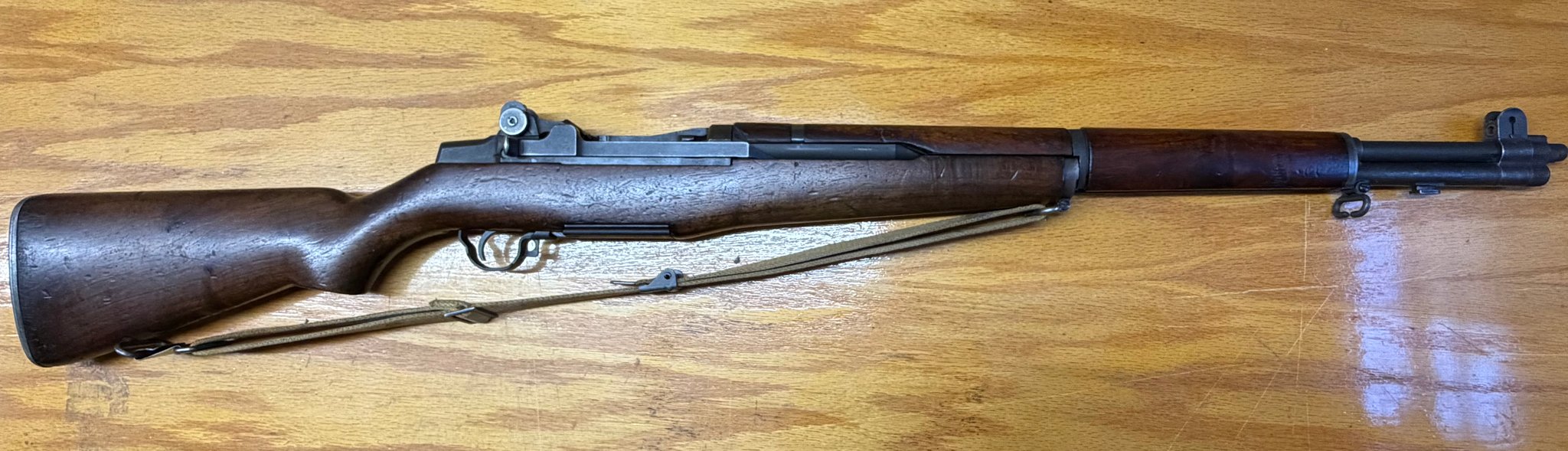
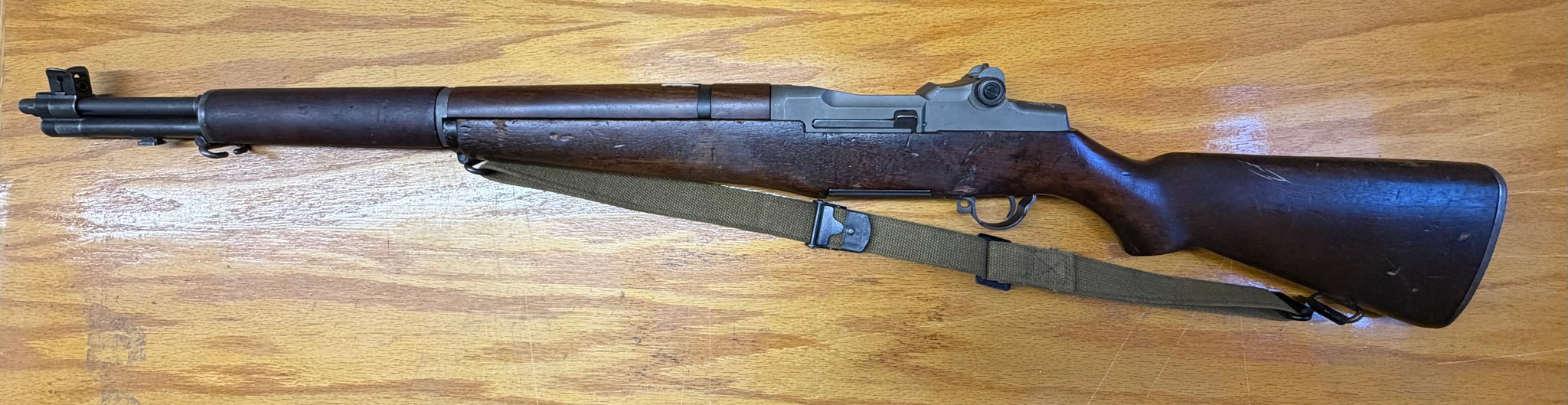
M1 Garand: a buyer's guide
The M1 Garand was the first semi-automatic rifle adopted as the standard US infantry rifle. It was adopted in 1936 and carried through the Second World War and Korea, and it remained in service with reserve and training units long after. It fires .30-06 from an eight-round en bloc clip that ejects with its familiar ping when the last round is fired. Original rifles are now firmly collector pieces, and the four American makers each have their own following. This guide explains how to tell them apart and what to check before you buy.
The four US makers
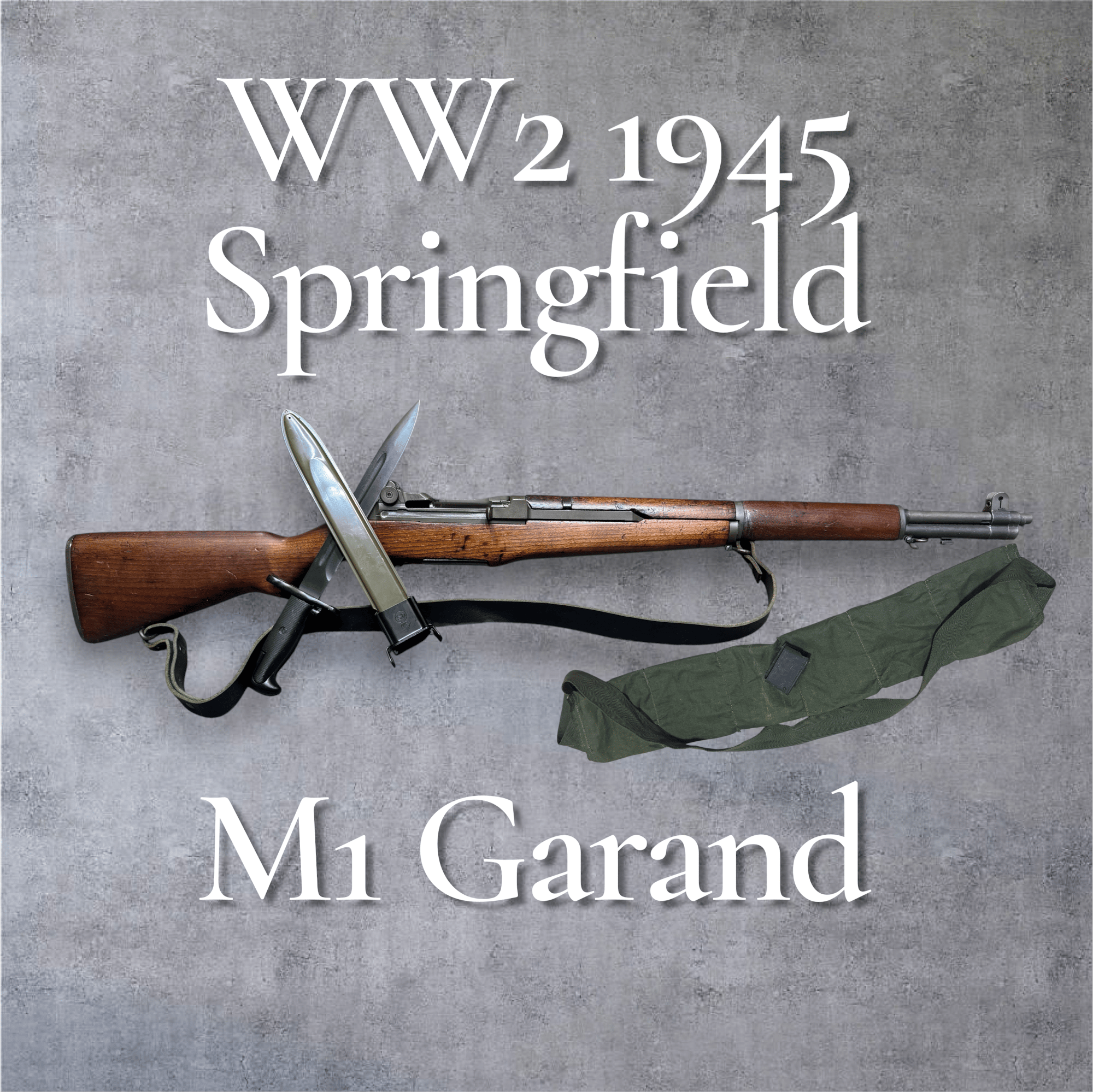
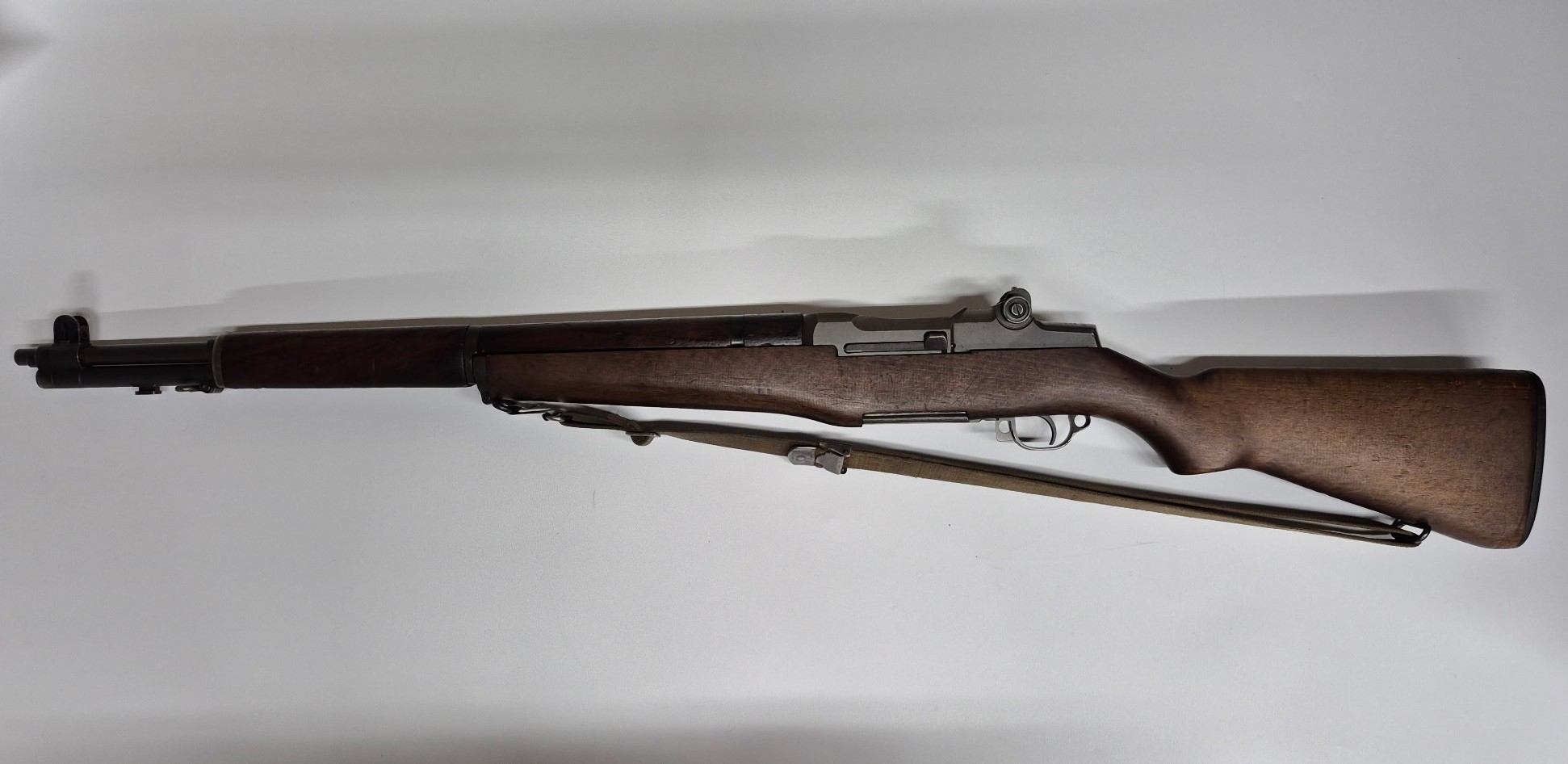
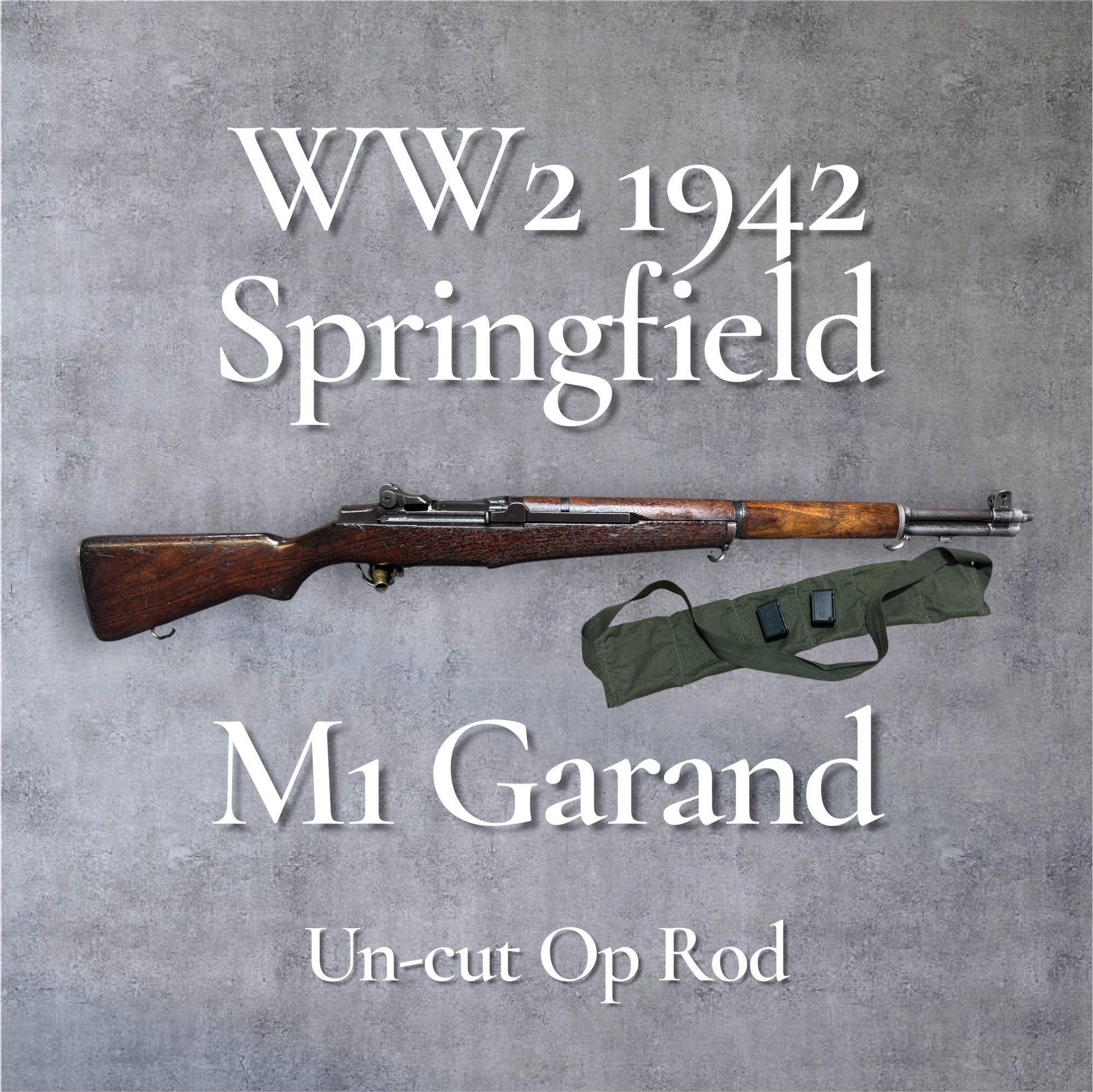
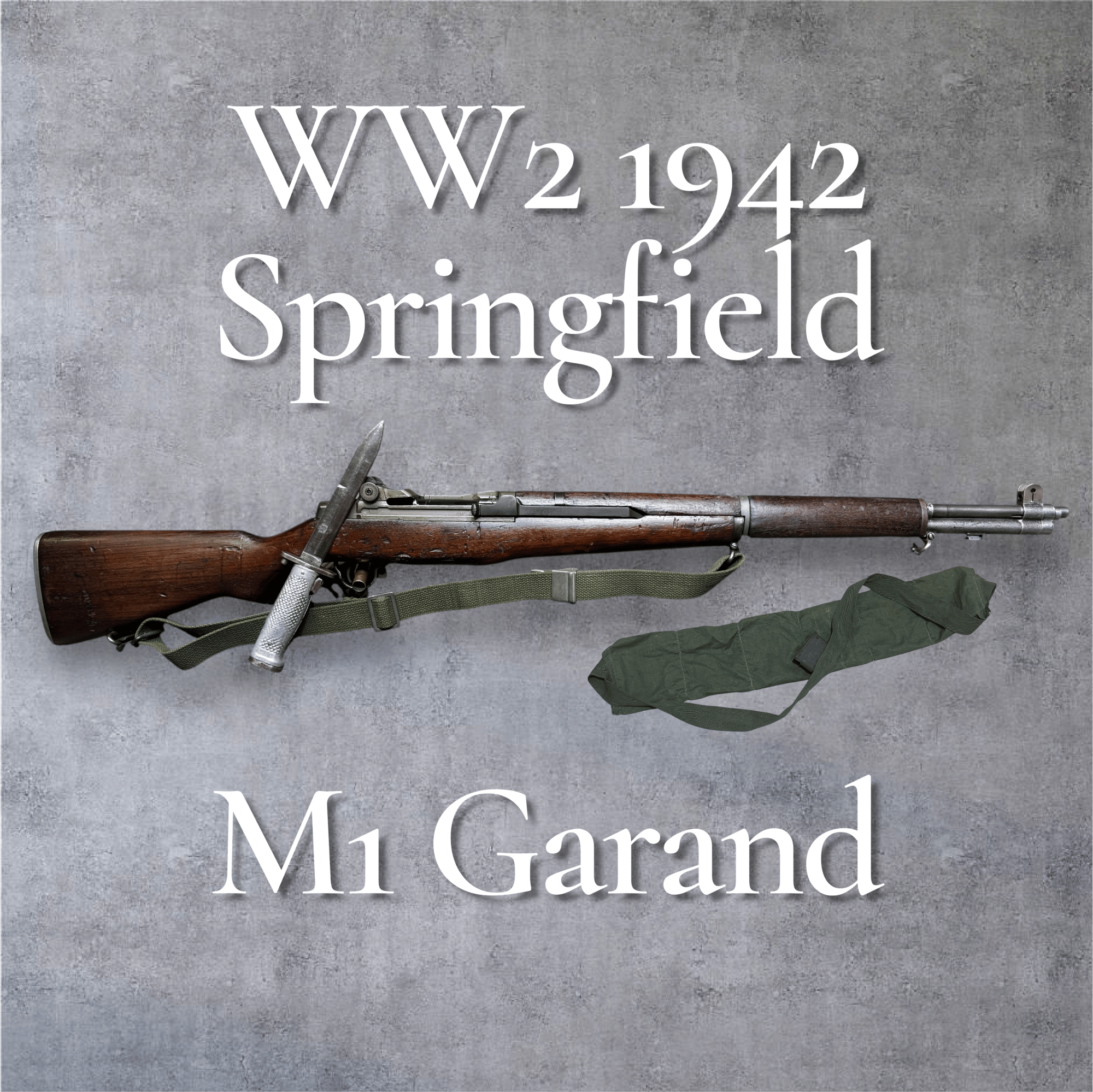
- Springfield Armory. The government armory made the great majority of M1s from 1937 into the 1950s. Receiver markings read U.S. RIFLE CAL. .30 M1, SPRINGFIELD ARMORY, with the serial number. The serial gives an approximate date of manufacture.
- Winchester. Winchester made M1s during the war under contract. Winchester rifles are less common than Springfields and command a premium in original condition.
- International Harvester. The farm equipment company made M1s in the 1950s. Its rifles are scarcer still, and some receivers carry unusual serial ranges that collectors study closely.
- Harrington & Richardson. H&R also made M1s in the 1950s; its rifles are known for good finish and are popular with collectors and shooters.
Garands were also made abroad after the war. Beretta and Breda built rifles in Italy, and the US supplied M1s to many allies; some came back as imports, such as rifles returned from Denmark. Imported rifles carry an importer's mark, which most collectors value below an unmarked US-retained rifle, though they are often good shooters.
Original, rebuilt and correct-grade rifles
Almost every M1 went through at least one arsenal rebuild. Rebuilt rifles have mixed-maker parts and later barrels, and that is normal for a service rifle. Sellers and collectors use a few rough grades:
- Original. The parts the rifle was built with, or correct for its date and maker. Expensive, and claims need checking.
- Correct grade. Assembled from parts correct for the date and maker, though not the rifle's own. Fine for display, honest only if described that way.
- Service grade or rebuild. Mixed parts, usually a later barrel. The most common kind, and the best value for shooting.
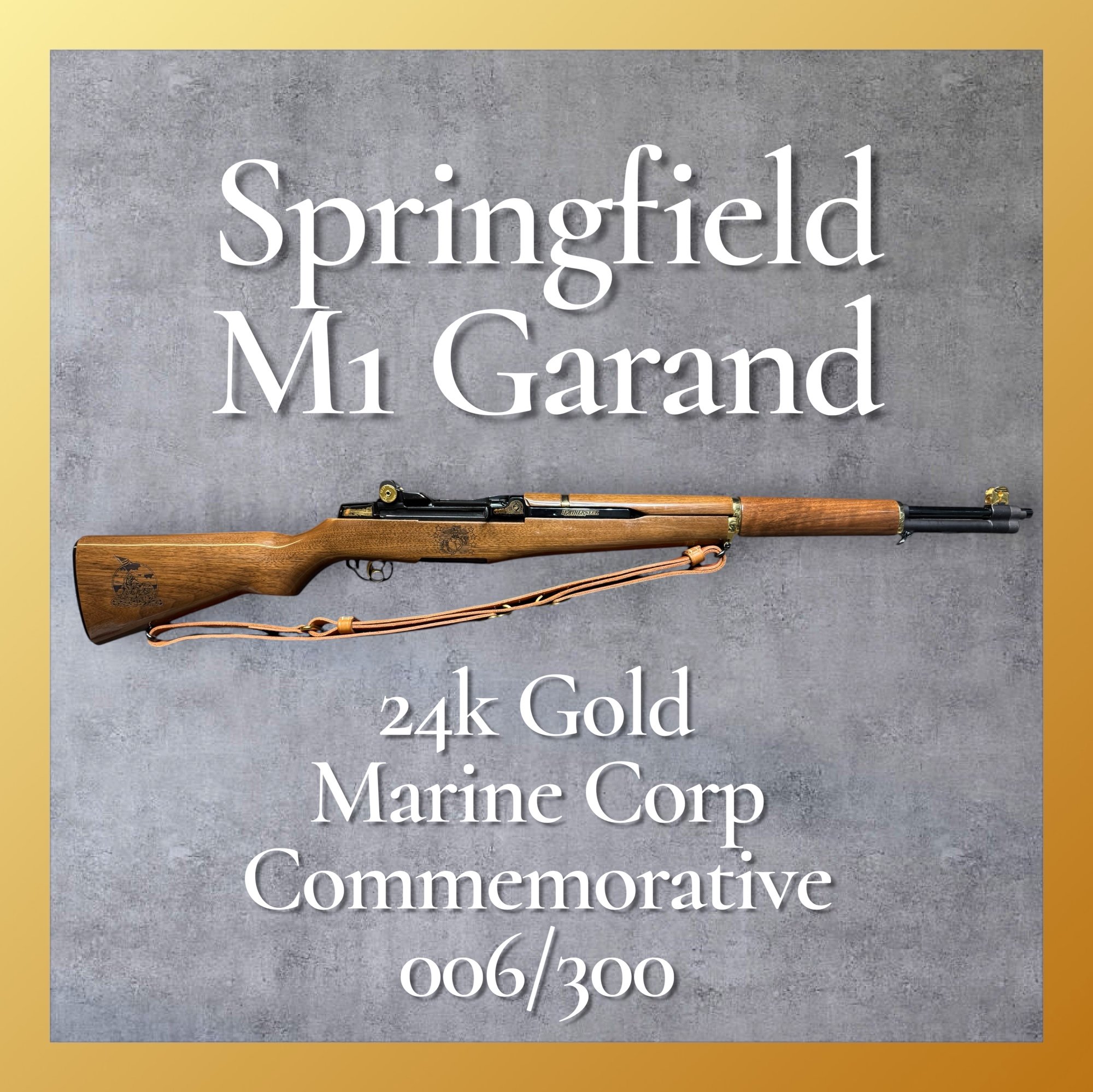
- Commemorative or custom. Engraved, gold-plated or otherwise finished after service. A different market from service rifles.
Look for part numbers and drawing numbers on the bolt, op rod, trigger housing and other parts, and a maker's code on many of them. Collectors use published references to match them to dates. A WWII rifle with an uncut operating rod, for example, is a detail many collectors pay for; ask for clear photos.
Gas system and ammunition
The M1 is gas-operated through a port near the muzzle and a long operating rod. It was designed around military M2 ball ammunition. Many commercial .30-06 hunting loads use slower powders and heavier bullets that raise the pressure at the gas port and can bend an operating rod over time. The usual answers are:
- Use ammunition loaded for the M1, sold as M2 ball equivalent or labelled for Garand use.
- Or fit an adjustable or ported gas plug, which lets the rifle run on a wider range of loads.
Our surplus ammunition guide covers corrosive primers and old surplus lots.
What to check before you buy
- Throat erosion and muzzle wear. Measured with simple gauges. Readings tell you how much life the barrel has left; ask for them on any shooter.
- Headspace. Checked with gauges by a gunsmith before firing, especially after a bolt swap.
- Op rod. It should not bind; a bent rod causes short cycling.
- Stock. Cracks at the wrist and behind the receiver, and whether the cartouches are present and legible.
- Clip. An M1 needs en bloc clips; it will not feed from loose rounds in normal use. Eight-round clips are standard.
Tankers and other variants
A Tanker Garand is a shortened M1 with a cut-down barrel and stock. Most on the market were built after the war from surplus parts, not issued to tank crews, and they should be priced as builds. Sniper variants, the M1C and M1D, are scarce and widely reproduced; insist on documentation. The National Match M1s built for competition have their own markings and records.
C&R status
A US-made M1 Garand manufactured 50 or more years ago is a curio or relic under 27 CFR 478.11, and an 03 C&R licensee can receive one directly where state law allows. New commercial rifles in the Garand style, and the M1A, are not. See the C&R license guide and our condition guide.
Common questions
How do I date a Garand?
The receiver serial number gives an approximate date of manufacture for each maker, and published serial tables are widely used by collectors. The barrel is usually marked with its own maker and month and year near the chamber, under the handguard. If the barrel is much later than the receiver, the rifle has been rebuilt.
Why is the en bloc clip important?
The M1 was designed to load from an eight-round clip that goes into the rifle with the cartridges and is ejected when the last round is fired. Without a clip the rifle is effectively a single shot. Clips are cheap and widely available; buy several, and check that they are not bent.
Can I hunt with an M1 Garand?
In most states the .30-06 is legal for deer, but a semi-automatic rifle may face magazine limits for hunting in some states, and expanding bullets are generally required. Use loads suitable for the Garand's gas system and read the state rules on the city pages.
Related rifles
The Garand replaced the 1903 Springfield, and its smaller partner was the .30 Carbine, made by Inland, Rock-Ola, Winchester, IBM, Standard Products and others. Every M1 in the Garand shelf ships to the dealer you choose or to your C&R license where it qualifies.
General information, not legal advice. Current as of October 2026. Laws change; check the official source before you act.