Surplus ammunition: which cartridge each service rifle fires
Every old service rifle was built around one military cartridge, and many of those cartridges have close cousins that will not fit or are not safe. Before you buy ammunition, confirm what your rifle is chambered for from the markings and, if in doubt, from a gunsmith. This guide lists the main service cartridges, the rifles that fire them, and the things that catch new collectors out: corrosive primers, bore sizes and hunting rules.
The cartridges
.30-06 Springfield
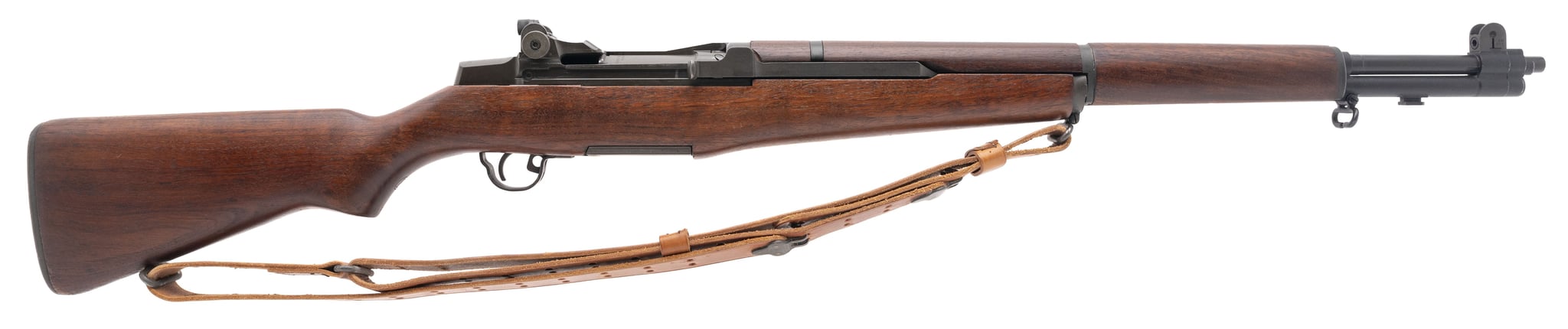
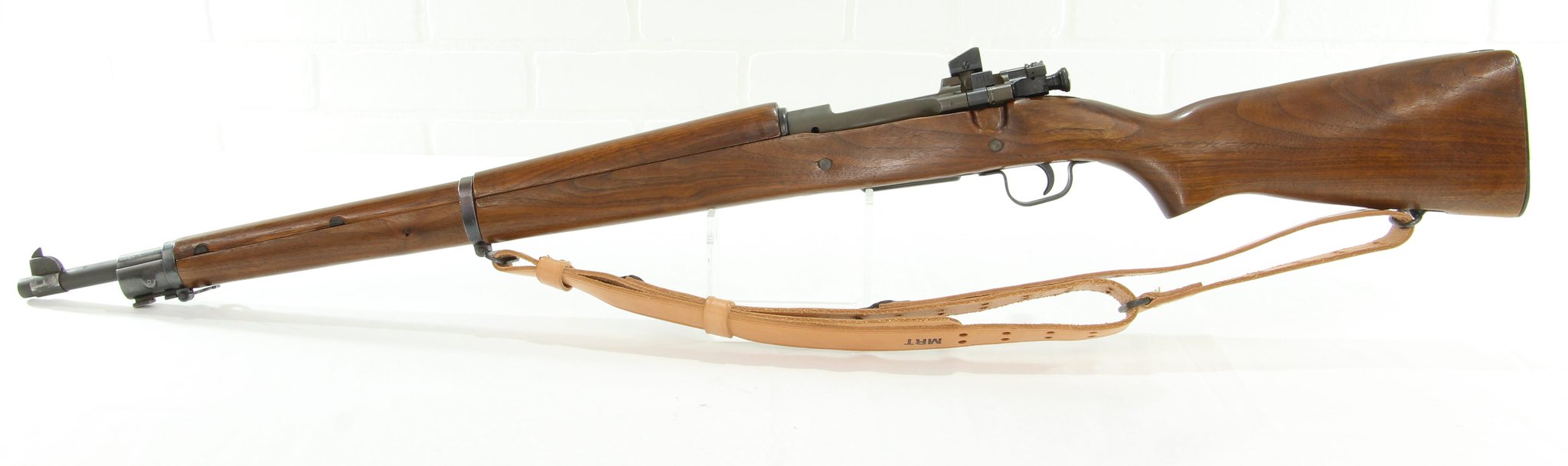
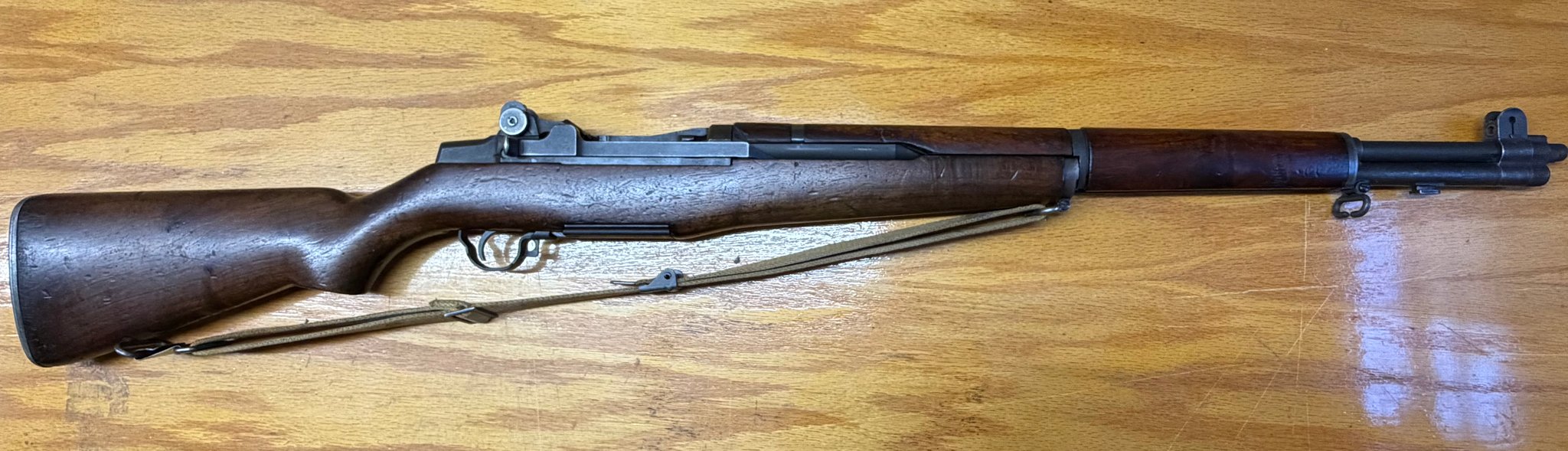
The US service cartridge from 1906 to the 1950s, fired by the 1903 and 1903A3, the M1917 Enfield and the M1 Garand. Commercial .30-06 is widely available. For the Garand, use ammunition loaded to M2 ball specification or labelled for Garand use, because many hunting loads raise gas port pressure.
7.62x51mm NATO and .308 Winchester
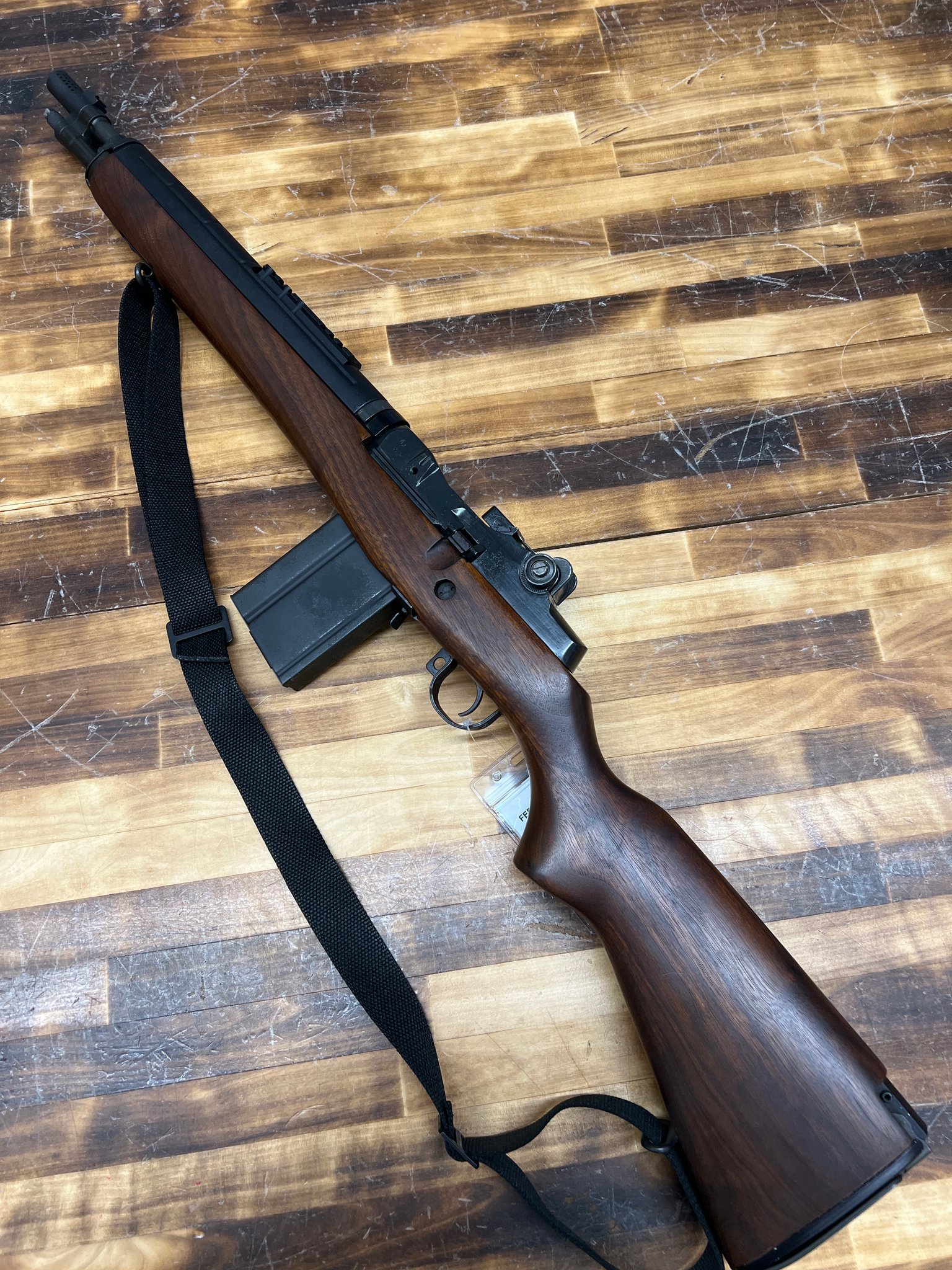
The cartridge of the M14 and the commercial M1A, and of Ishapore 2A Enfields and some later conversions. The two are close but not identical; most rifles built for 7.62 NATO handle both, but check the maker's guidance for your rifle.
8x57mm Mauser (8mm Mauser)
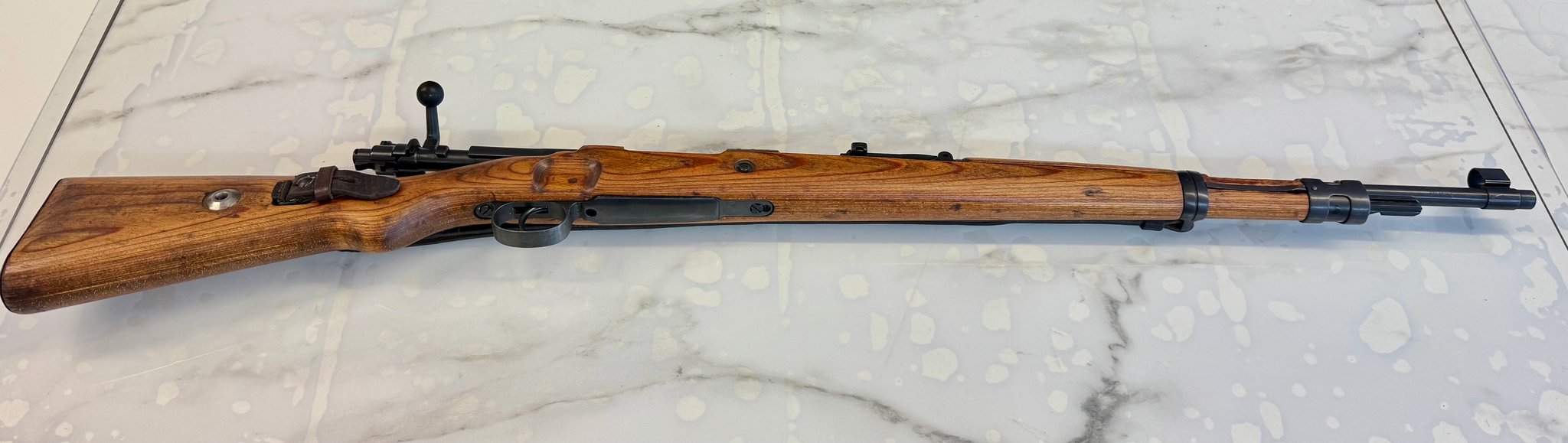
The German service cartridge, also used by Turkish, Yugoslav, Czech and many other Mausers. Modern 8mm Mauser uses a .323-inch bullet. Some very early German rifles, such as the Gewehr 88, were made for an older .318-inch bullet; have the bore slugged before firing modern ammunition in one.
6.5x55mm Swedish
Fired by the Swedish m/96 and m/38. Mild recoil and accurate, still loaded by many companies for target shooting and hunting.
7x57mm and 7.65x53mm Argentine
7x57mm is the cartridge of the Chilean 1895 and Spanish Mausers; 7.65x53mm is the Argentine 1891 and 1909 cartridge, also used in Belgium and Turkey before 1938. Both are still loaded commercially, though 7.65 Argentine is less common.
7.62x54mmR
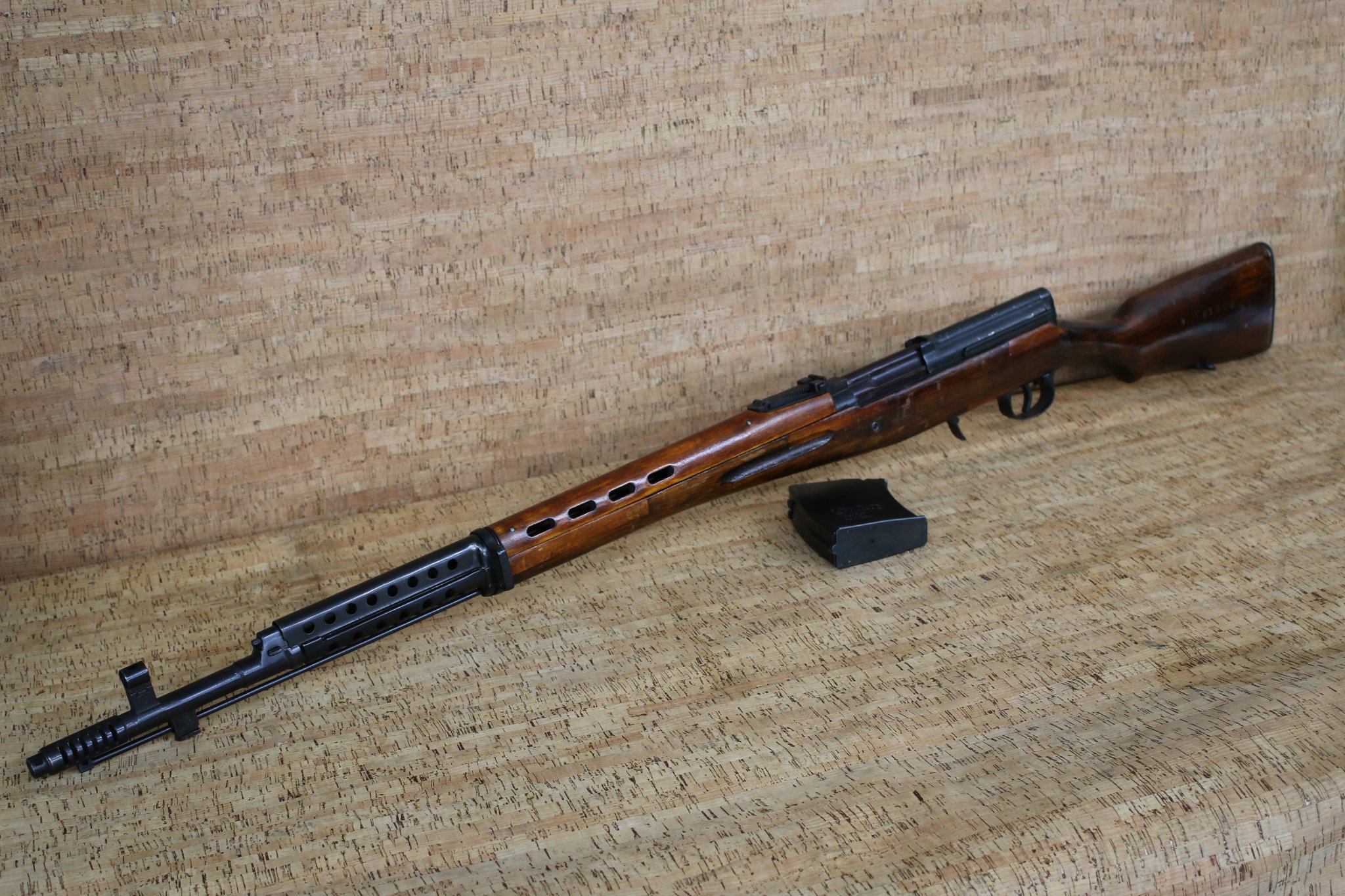
The rimmed Russian cartridge of the Mosin-Nagant and the SVT-40. Commercial non-corrosive loads are easy to find.
.303 British
The rimmed cartridge of the Lee-Enfield. Commercial .303 with Boxer primers is reloadable; old military .303 is often Berdan primed and corrosive.
Japanese cartridges: 6.5x50mm and 7.7x58mm
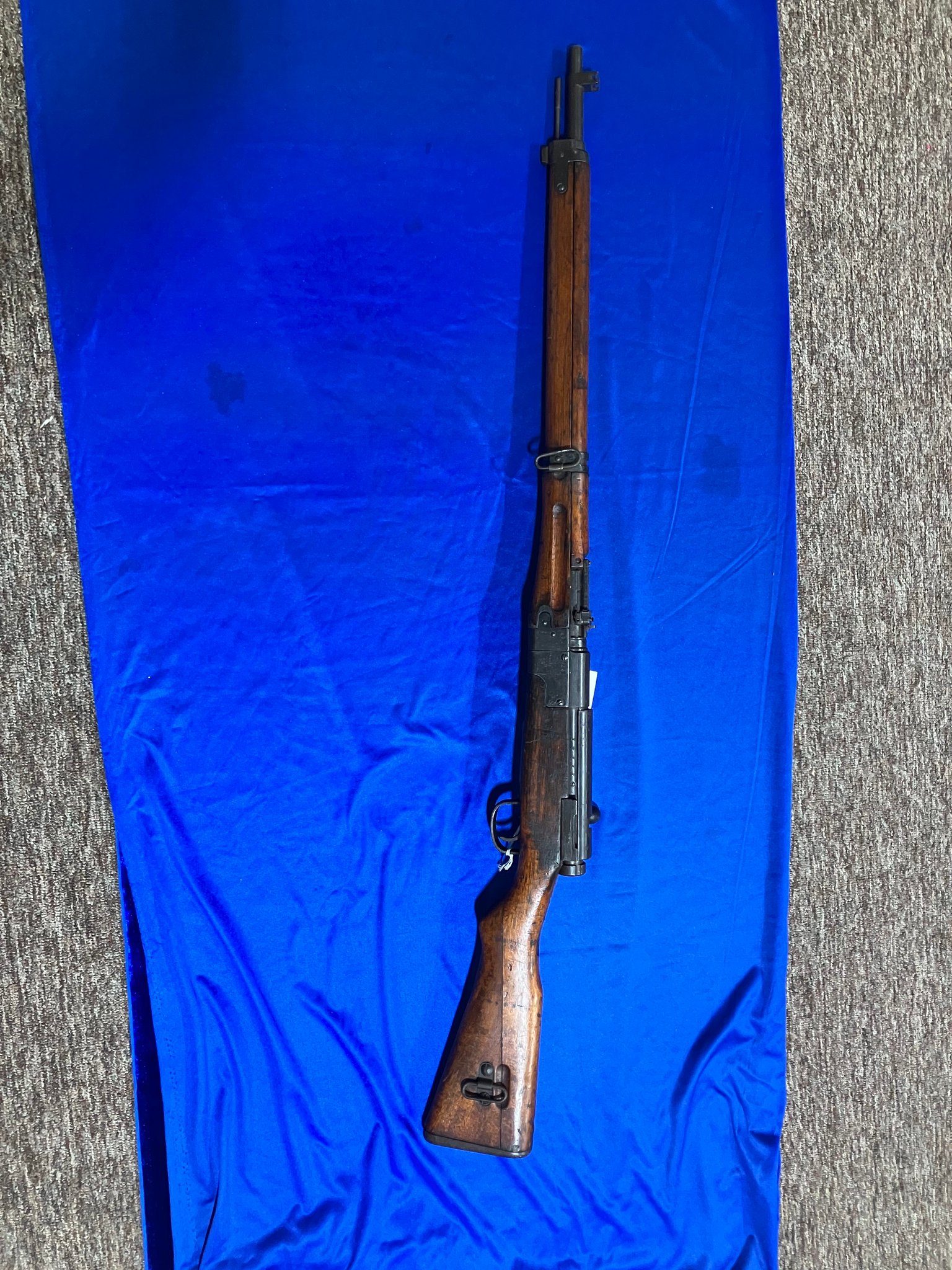
The Type 38 Arisaka fires 6.5x50mm semi-rimmed, often sold as 6.5 Japanese; the Type 99 fires 7.7x58mm, sold as 7.7 Japanese. They are not interchangeable with each other or with .303 British. Some Arisakas were rechambered after the war; check the chamber before you buy ammunition.
6.5x52mm Carcano
The Italian Carcano cartridge. Carcano bores are larger than most 6.5mm cartridges, and good ammunition uses a .267 to .268-inch bullet. Some Carcano carbines were converted to 7.35mm; check the markings.
7.5x55mm Swiss
The cartridge of the K31 and the K11 Schmidt-Rubin, known in military form as GP11. Older Model 1889 Schmidt-Rubins were built for a lower-pressure cartridge; ask a gunsmith before firing modern 7.5 Swiss in one.
7.62x39mm and .30 Carbine
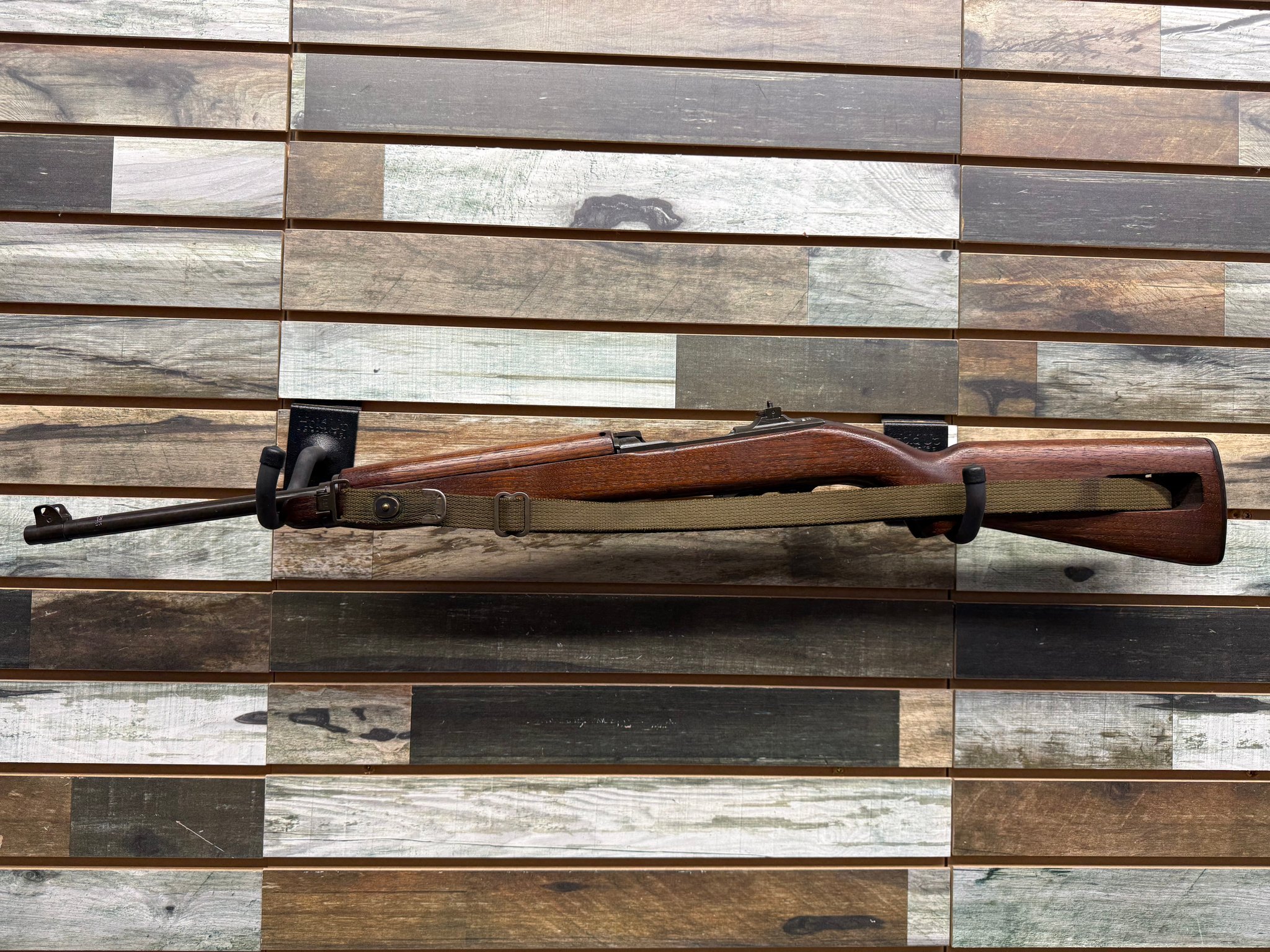
The SKS fires 7.62x39mm, the same cartridge as many modern rifles. The M1 Carbine fires .30 Carbine, a short straight-walled round that is not a rifle cartridge in the usual sense.
Corrosive primers
Much older military ammunition, especially from the Eastern Bloc and pre-1950s production generally, uses primers that leave corrosive salts in the bore and on the bolt face. The ammunition is safe to shoot, but you must clean with a water-based solution the same day, then oil. Gas-operated rifles such as the Garand and SKS need the gas system cleaned too. If you are not sure whether a lot is corrosive, treat it as corrosive.
Berdan and Boxer primers
Military ammunition from outside the US is usually Berdan primed, with two flash holes, and is hard to reload. Commercial ammunition made for the US market is usually Boxer primed and reloadable.
Hunting with a service rifle
Most service cartridges above are powerful enough for deer, and many states allow them. But most states require expanding bullets for big game, so full metal jacket military ball is generally not legal for deer. Buy hunting ammunition made for the cartridge, and read your state's rules; the city pages summarize them.
Storage and old lots
Keep ammunition cool and dry. Very old surplus may have deteriorated: green corrosion on the cases, split necks or loose bullets are signs to discard it rather than shoot it. Hangfires, where the round fires a moment after the trigger is pulled, happen with old primers; keep the muzzle pointed safely downrange for at least 30 seconds after a misfire before opening the action. Sealed military tins keep ammunition well, but once opened it should be used or stored with care.
Stripper clips and en bloc clips
Most bolt-action service rifles load from stripper clips that hold five rounds; the Lee-Enfield takes two to fill its ten-round magazine. The clips differ between rifles: Mauser, Mosin, Enfield and 1903 clips are not all interchangeable. The M1 Garand uses an eight-round en bloc clip that goes into the rifle with the cartridges. Buy the clip made for your rifle.
Shipping and age
Ammunition ships to your door where state and local law allow it, and some states require an ID card or a face-to-face sale. Federal law sets 18 for rifle ammunition from a dealer and 21 for handgun ammunition. A C&R license is not needed to buy ammunition. See the C&R license guide and the condition guide, or browse the catalog.
General information, not legal advice. Current as of October 2026. Laws change; check the official source before you act.