What is a C&R license? The ATF Type 03 collector license explained
A C&R license is the federal firearms license that ATF calls Type 03, Collector of Curios and Relics. It lets a collector receive and send firearms that qualify as curios or relics across state lines, directly to and from the address on the license, without a dealer in the middle. It is the license most military surplus collectors end up holding, because almost every rifle that served in the two world wars now qualifies. This guide sets out what the license covers, what it does not, and how to apply, from ATF's own pages and the federal regulations in 27 CFR Part 478. It is general information, not legal advice.
Which firearms are curios or relics
The definition is in 27 CFR 478.11. A curio or relic is a firearm of special interest to collectors for some quality other than its use as a sporting, offensive or defensive weapon, and it must fall into one of three groups:
- The 50-year rule. Firearms manufactured at least 50 years before the current date, not including replicas.
- Museum certification. Firearms certified by the curator of a municipal, state or federal museum that exhibits firearms as curios or relics of museum interest.
- Value from history or rarity. Other firearms that get a substantial part of their value from being novel, rare or bizarre, or from their association with a historical figure, period or event.
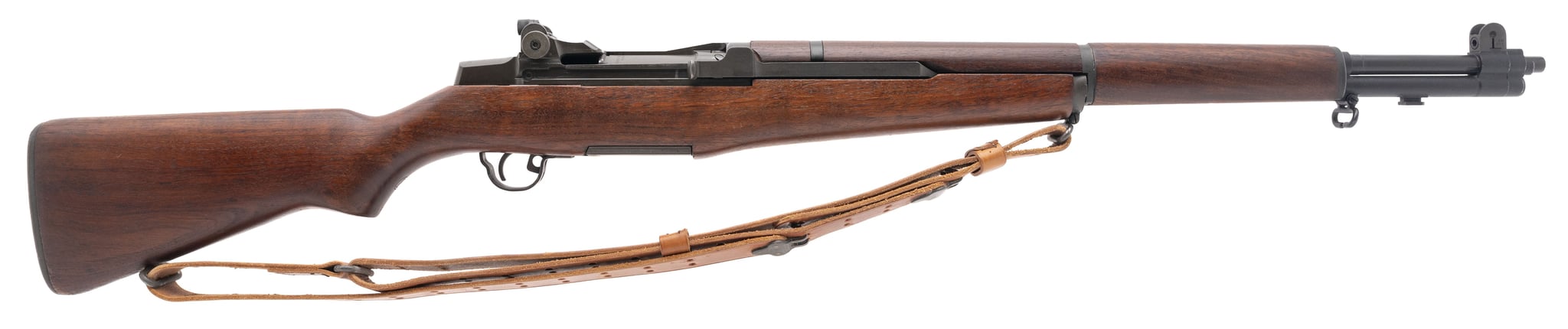
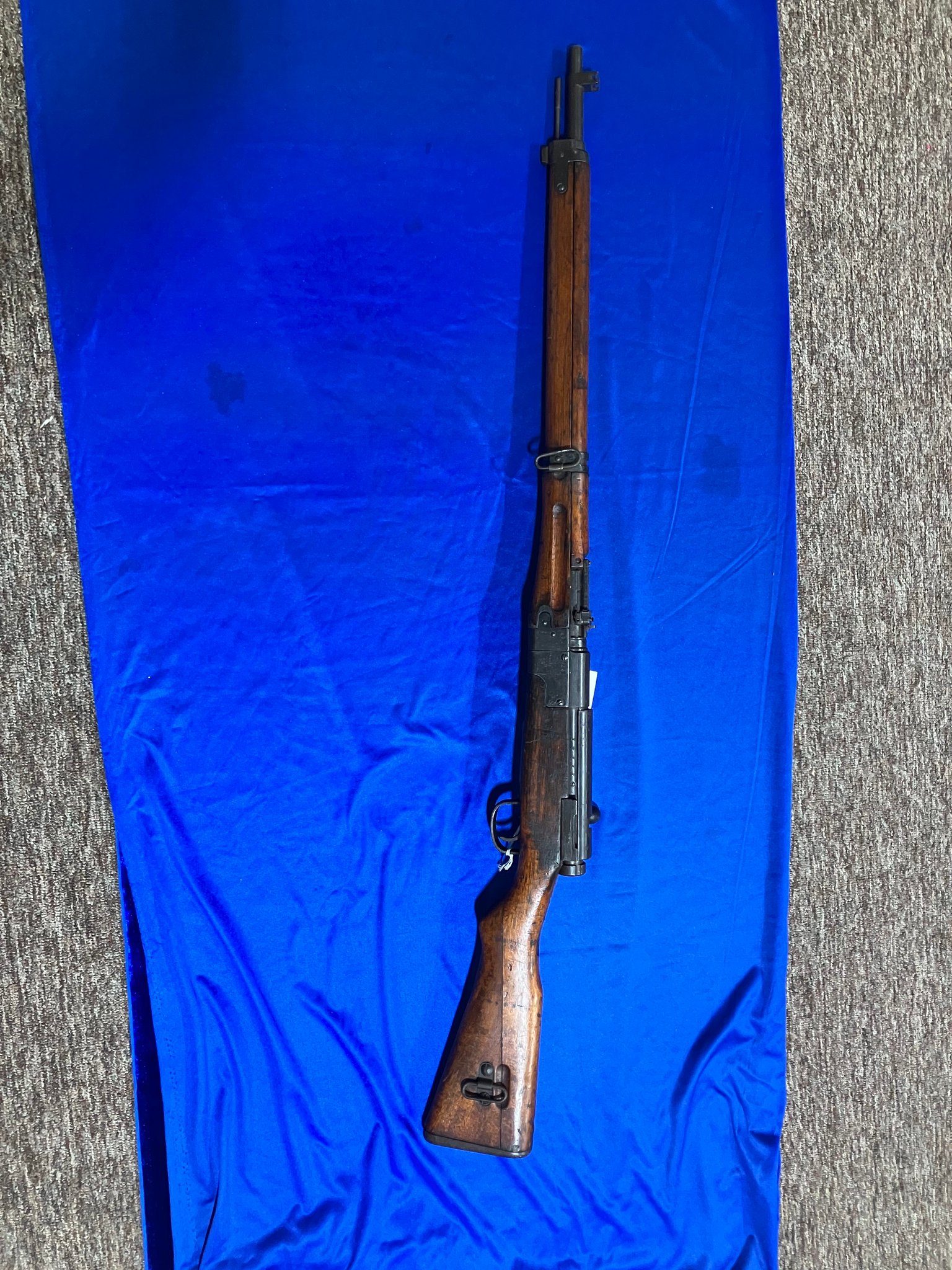
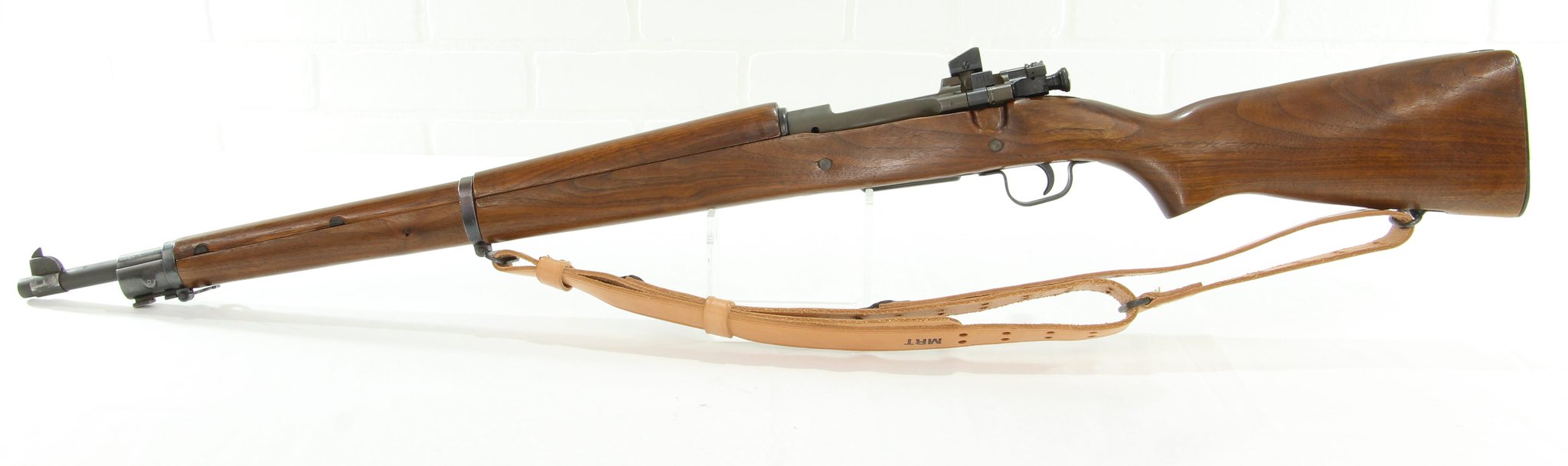
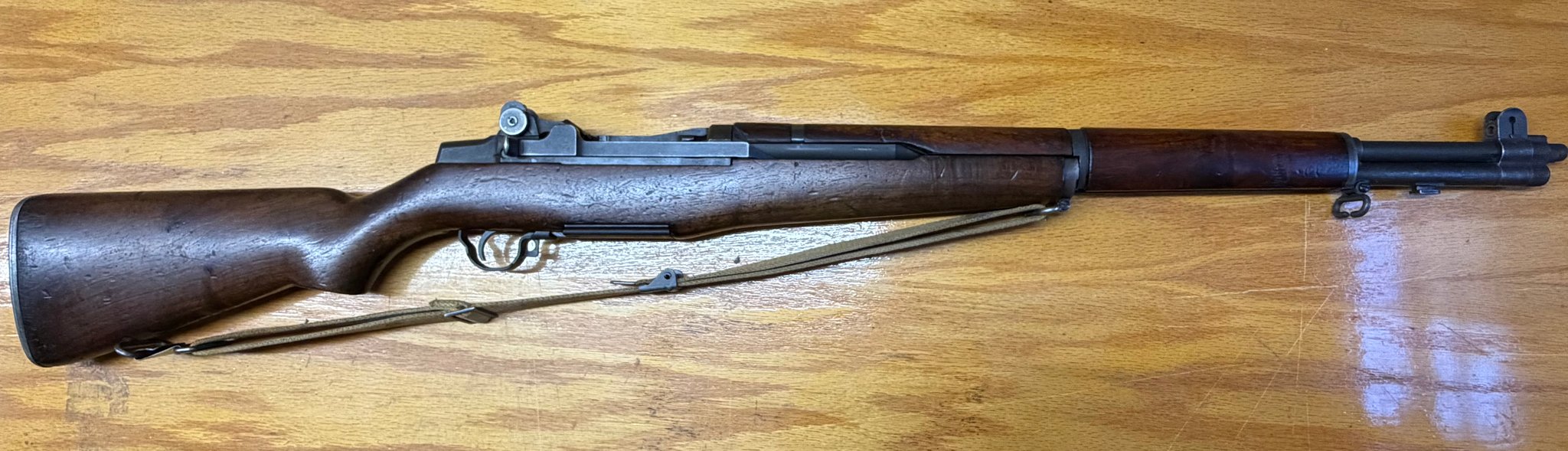
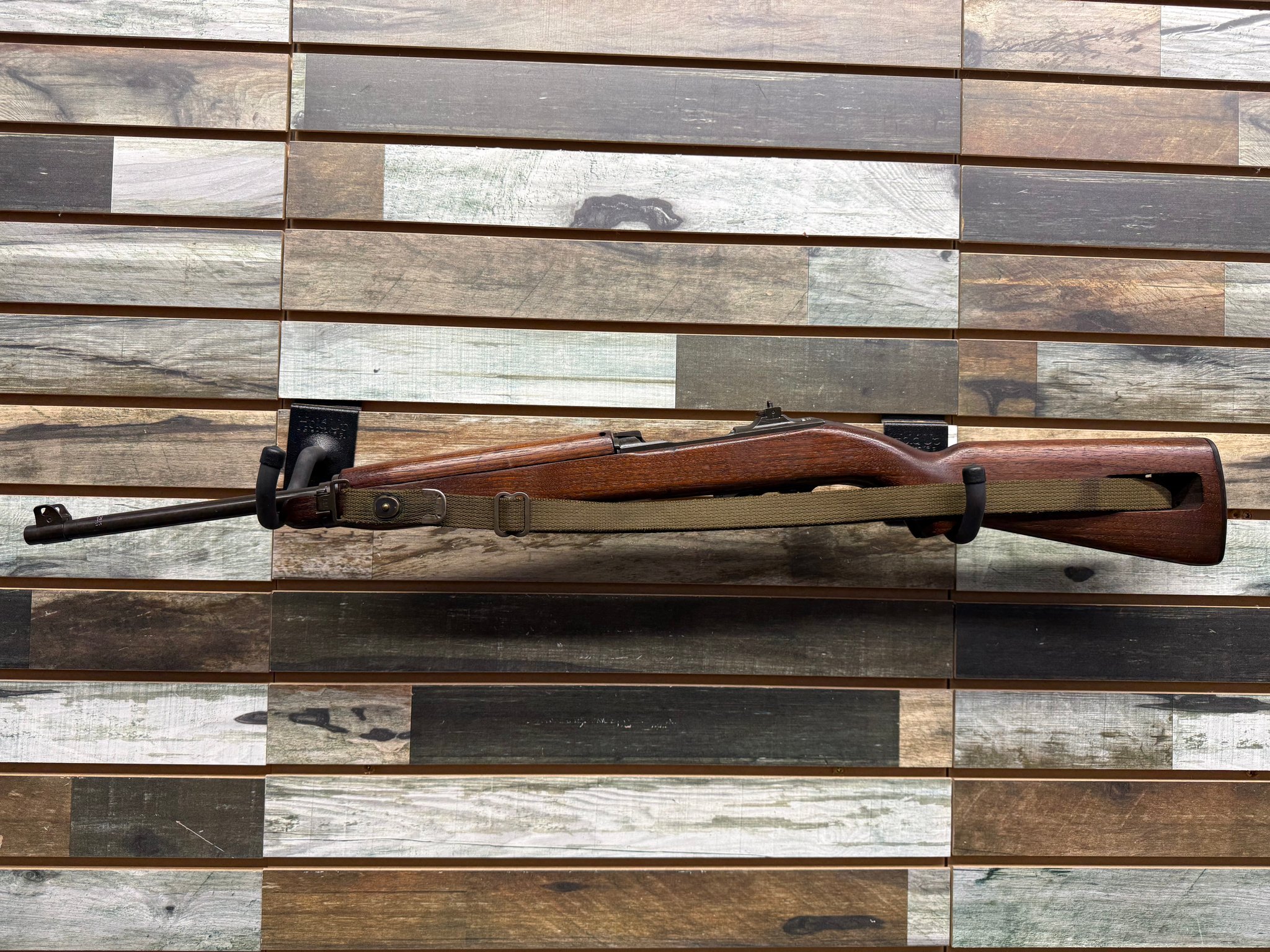
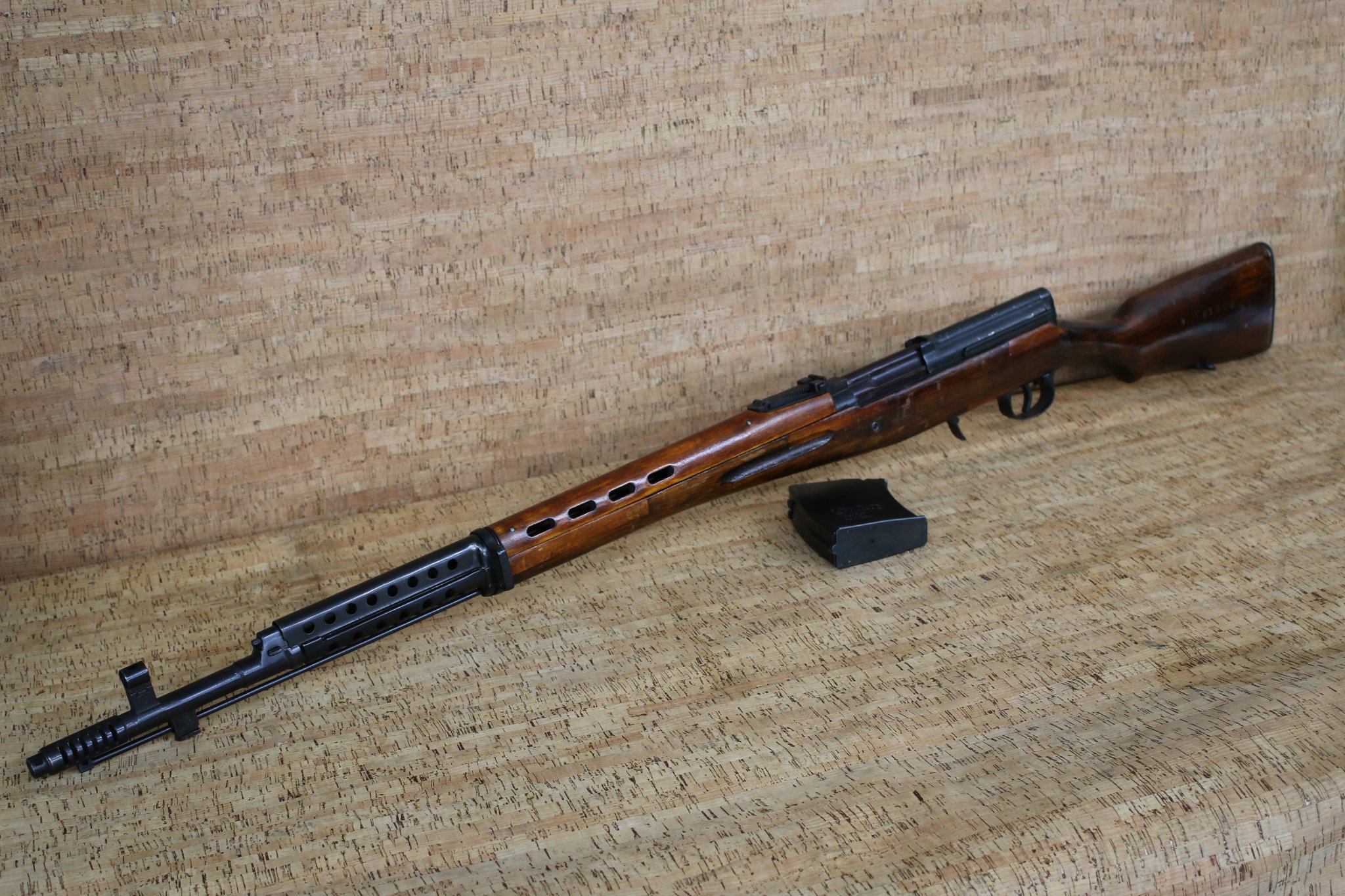
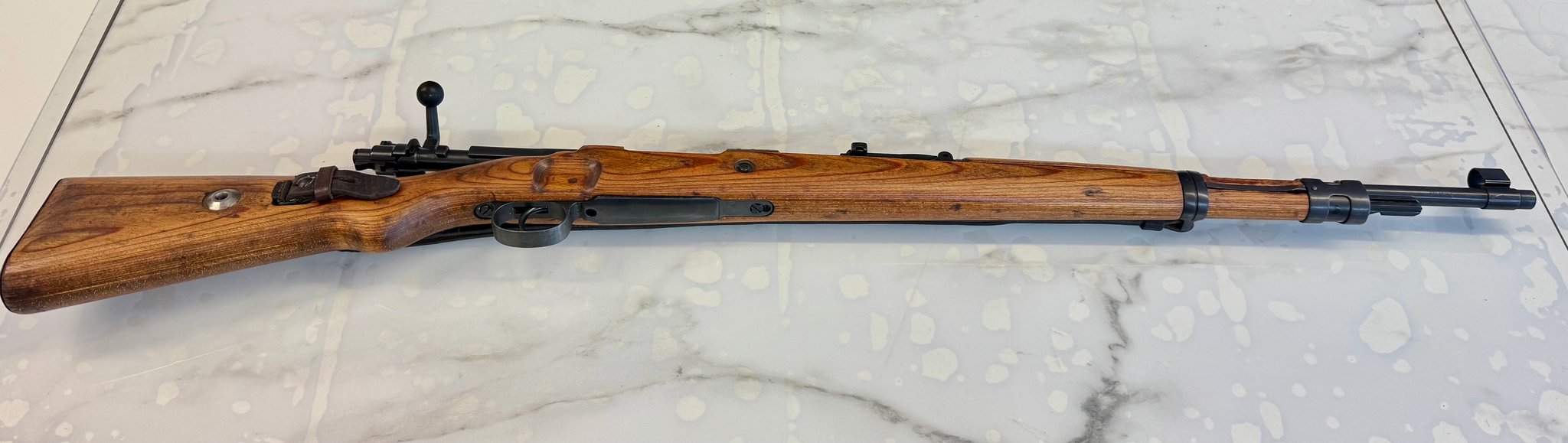
The 50-year rule is the one that matters for most rifles on this site. A 1903A3 made by Remington in 1943, an M1 Garand from Springfield Armory, a 1938 Turkish Mauser, a Tula 91/30 or a Savage No. 4 Mk I all qualify by age. The date that counts is the date the firearm was made, which for a rifle means the receiver, because the receiver is the part the law treats as the firearm. A rebuilt rifle on an original wartime receiver still qualifies; a new receiver built last year does not, even if it is an exact copy of a 1903A3.
ATF also publishes a Curios or Relics List of firearms it has classified, and the list is helpful for the second and third groups, such as some rifles that are less than 50 years old. A rifle does not have to appear on the list to qualify under the 50-year rule.
What the license lets you do
ATF describes the main advantage plainly: a licensed collector can acquire curios or relics in interstate commerce. In practice that means:
- A dealer or another collector in another state can ship a C&R rifle straight to the licensed premises on your license, usually your home, after you send a certified copy of the license (27 CFR 478.94).
- Because the transfer is between licensees, the dealer does not use Form 4473 for that sale (27 CFR 478.124 applies to transfers to non-licensees).
- You can sell or trade curios and relics with other licensees in other states, recording each one.
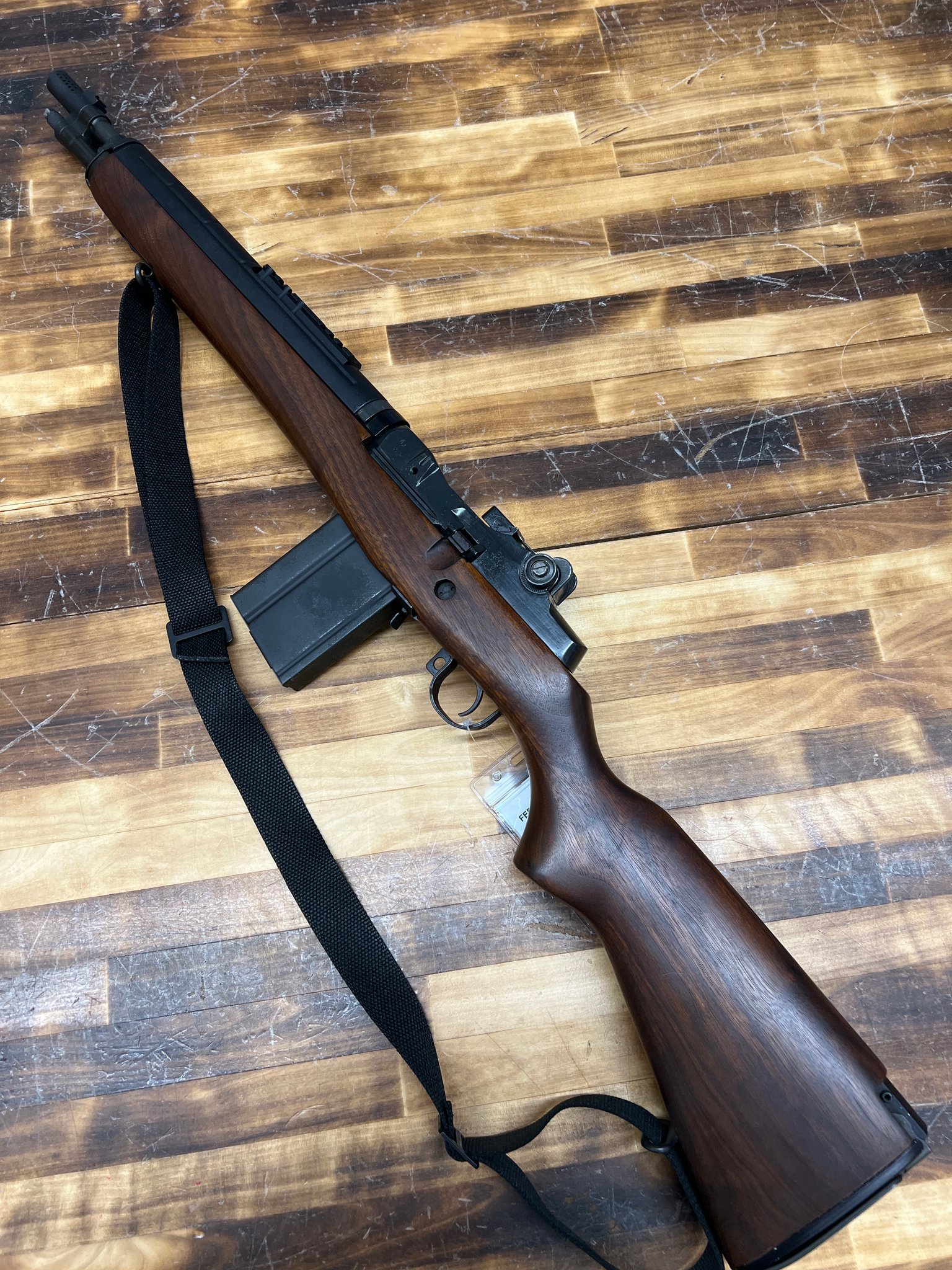
The license does nothing for any other kind of firearm. Under 27 CFR 478.93 a licensed collector has the same status as anyone else when buying a modern rifle, a new commercial M1A or a reproduction M1 Carbine: those still go through a dealer with a 4473. And state law still applies. Some states require a permit, registration or a dealer transfer even for C&R firearms, so check your state's rules before you give a seller your license.
What the license does not allow
- It is not a dealer's license. 27 CFR 478.41(d) says a collector license does not authorize the holder to engage in the business of dealing. Buying and selling curios to make a living requires a dealer license.
- It does not cover modern firearms, as above.
- It does not change state law on age, permits, waiting periods or which rifles can be owned.
The bound book
A collector must keep a record of every curio or relic received and disposed of, in bound form, under 27 CFR 478.125(f). Each acquisition is entered by the close of the next business day: date, who it came from (name and address, or name and license number), manufacturer and importer, model, serial number, type and caliber. Each disposition is entered within seven days. Many collectors keep a ruled ledger for this; the format is set in the regulation.
ATF may inspect a collector's records and C&R firearms without a warrant for compliance purposes not more than once in any 12-month period, under 27 CFR 478.23(c), and the regulation lets the collector choose to have that inspection at the local ATF office instead of at home.
Fee, term and how to apply
- Form. Apply on ATF Form 7CR (5310.16), Application for License (Collector of Curios and Relics), as 27 CFR 478.41 requires. The form and instructions are on atf.gov.
- Fee. The fee for a collector is $10 per year under 27 CFR 478.42(d), and a license runs three years under 27 CFR 478.49, so the application and each renewal cost $30.
- Premises. The license is issued to a person at an address, normally a home. That address is where C&R firearms are shipped and where the records are kept.
- Local notice. The application includes a certification that you have notified the chief law enforcement officer for your area. Read the current form instructions for the details and processing time; we have not listed them here because they change.
Is it worth it?
For one rifle, probably not: a dealer transfer near you costs a fee but no paperwork of your own. For a collector who buys several rifles a year across state lines, the $30 license usually pays for itself, and it opens up direct trades with other collectors. Either way the rifle is the same, and the condition questions are the same; read our condition guide before you buy, and see the pattern guides for the 1903 and 1903A3, the M1 Garand, the Mauser family, the Mosin-Nagant and the Lee-Enfield.
Common questions
Can a C&R licensee buy modern rifles across state lines?
No. For any firearm that is not a curio or relic, a licensed collector is treated like any other buyer and must go through a dealer.
Does a C&R license replace a state permit?
No. State permits, ID cards, waiting periods and registration still apply where a state has them.
Buying here with or without a license
Without a license, every rifle ships to the dealer you choose; you complete Form 4473 and the background check there. With an 03 license, contact us before you order: we confirm that the rifle qualifies as a curio or relic and ask for a certified copy of your license, and it can then ship to your licensed address where your state allows it. New commercial rifles always ship to a dealer. The city pages list each state's own rules, and the catalog is open to everyone.
General information, not legal advice. Current as of October 2026. Laws change; check the official source before you act.