Mosin-Nagant: a buyer's guide to the 91/30 and its variants
The Mosin-Nagant was adopted by Imperial Russia in 1891 and stayed in Soviet service through the Second World War. It was made in greater numbers than almost any other bolt-action rifle, and huge stocks were exported after the war. For years the 91/30 was the cheapest military rifle in American shops. It is no longer cheap, but it is still the easiest way into collecting service rifles, and the variants reward close study. All of them fire 7.62x54mmR, a rimmed cartridge similar in power to .308 Winchester.
The main models
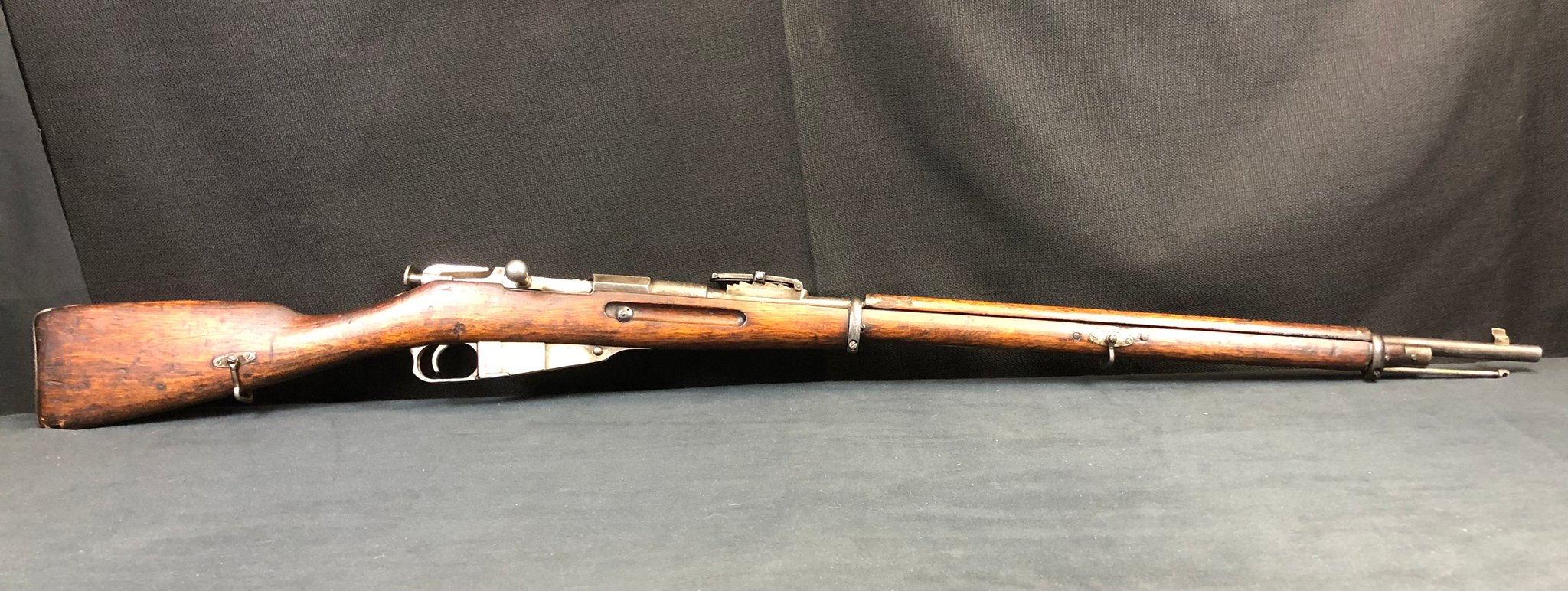
- M1891. The original long infantry rifle, with dragoon and Cossack versions. During the First World War Remington and New England Westinghouse in the US made M1891s for Russia; many stayed in America and are prized today.
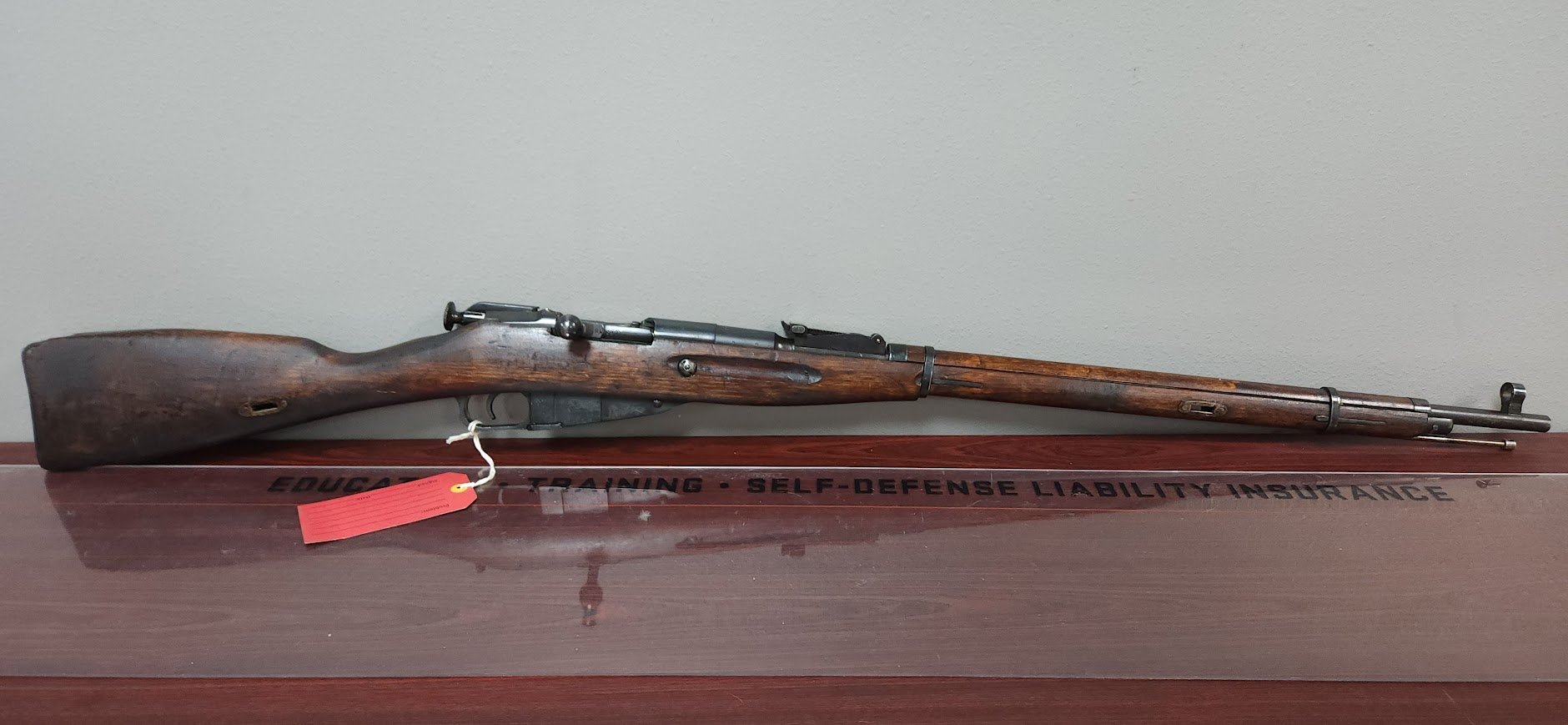
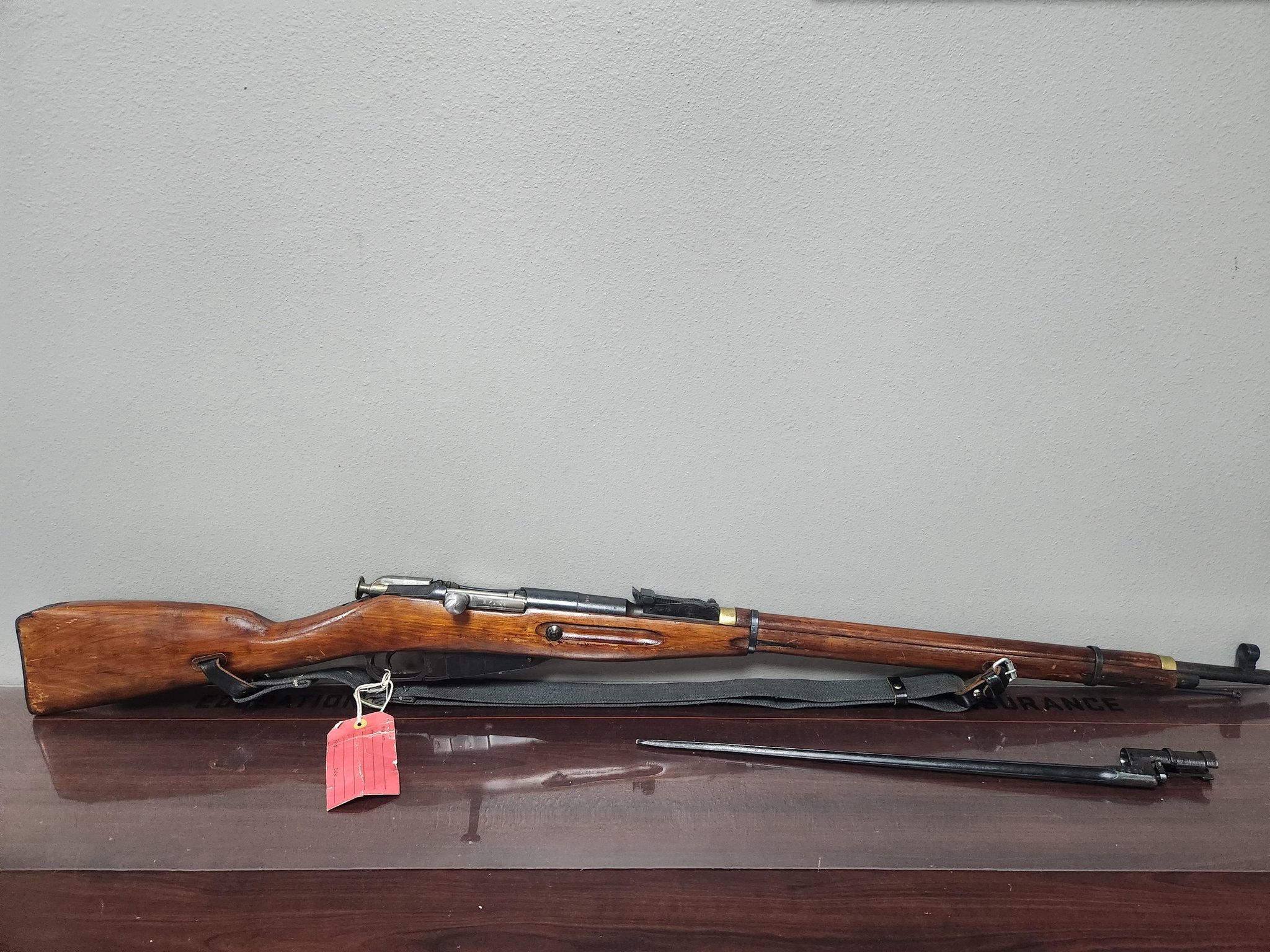
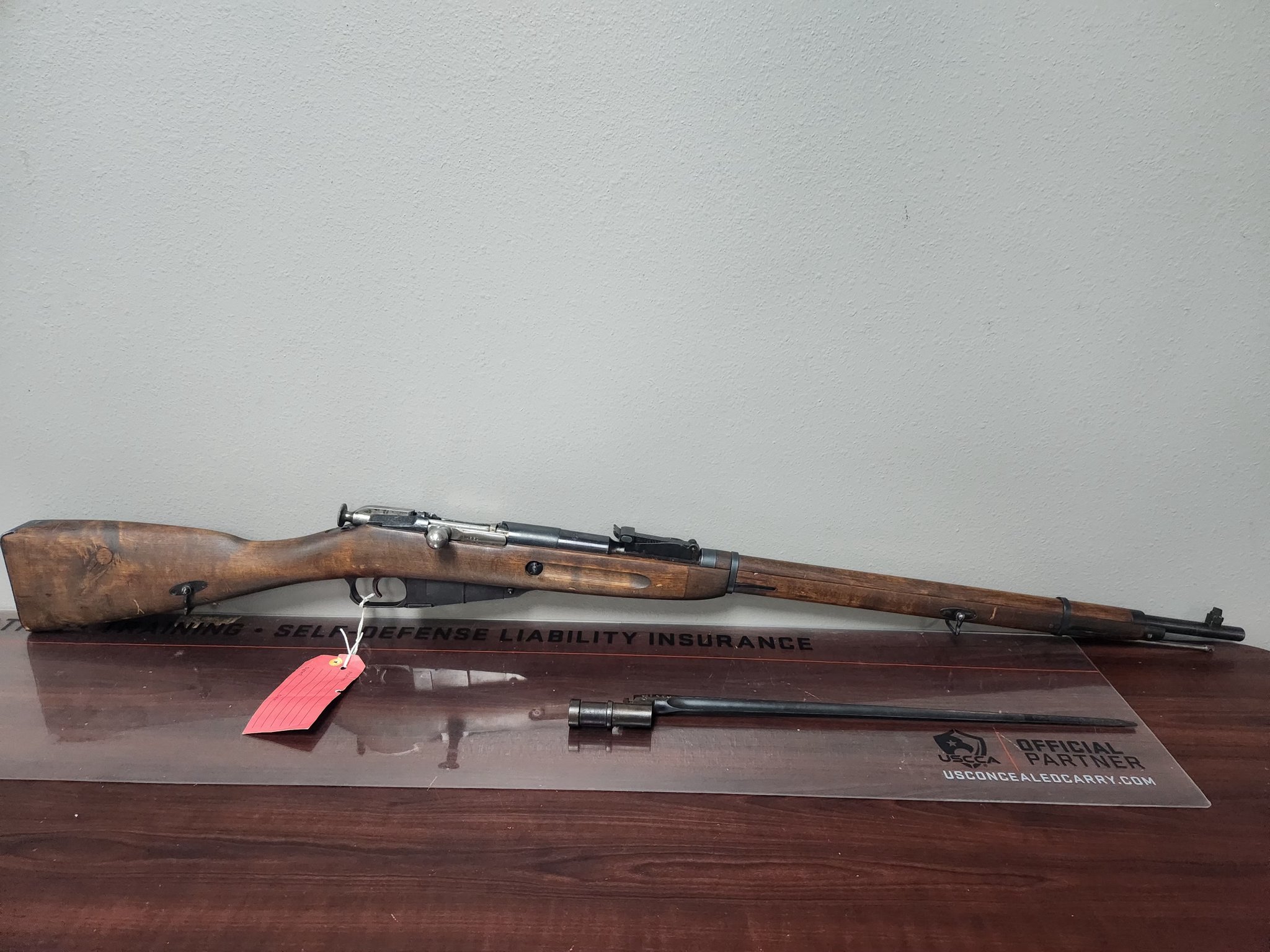
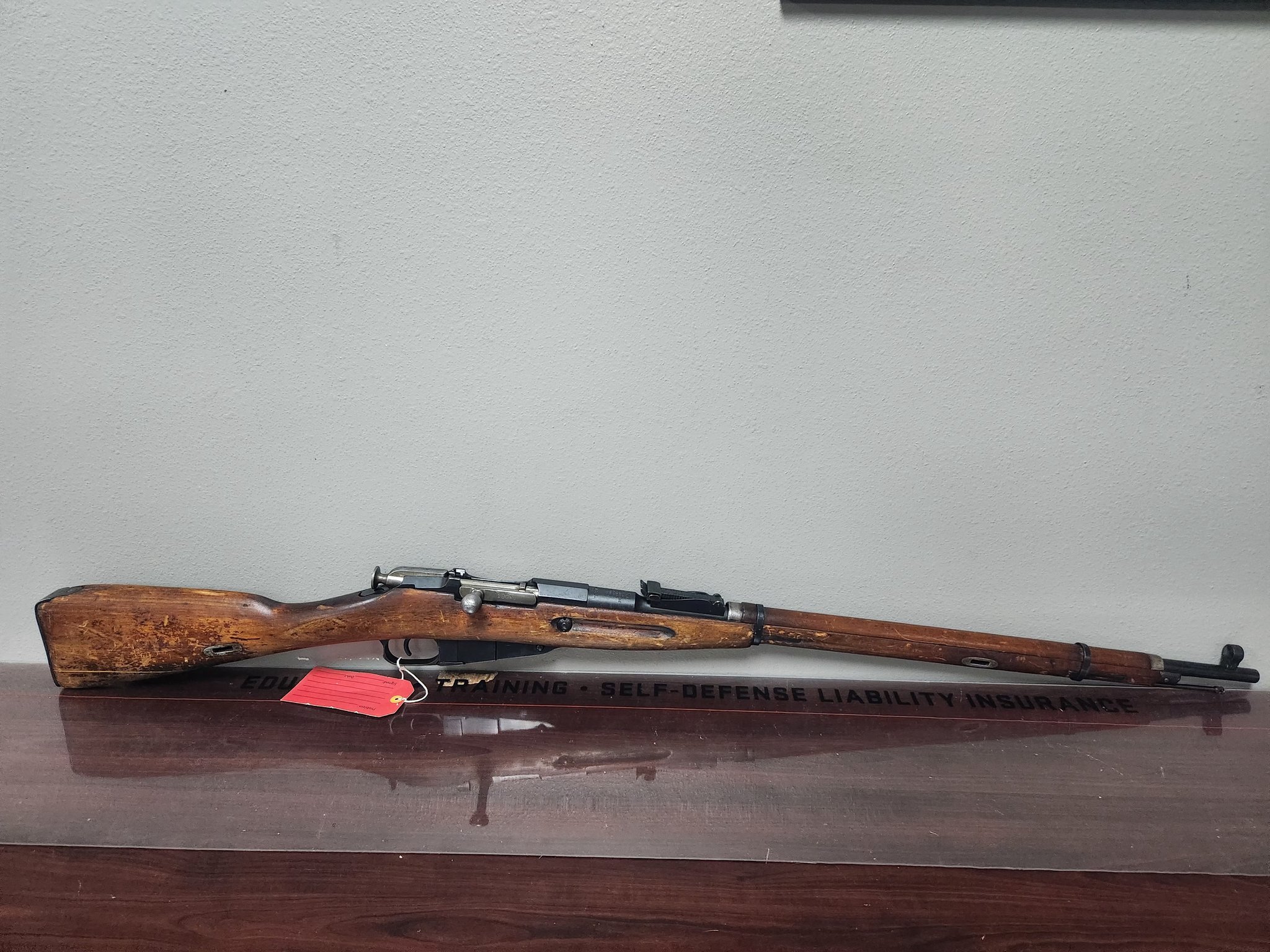
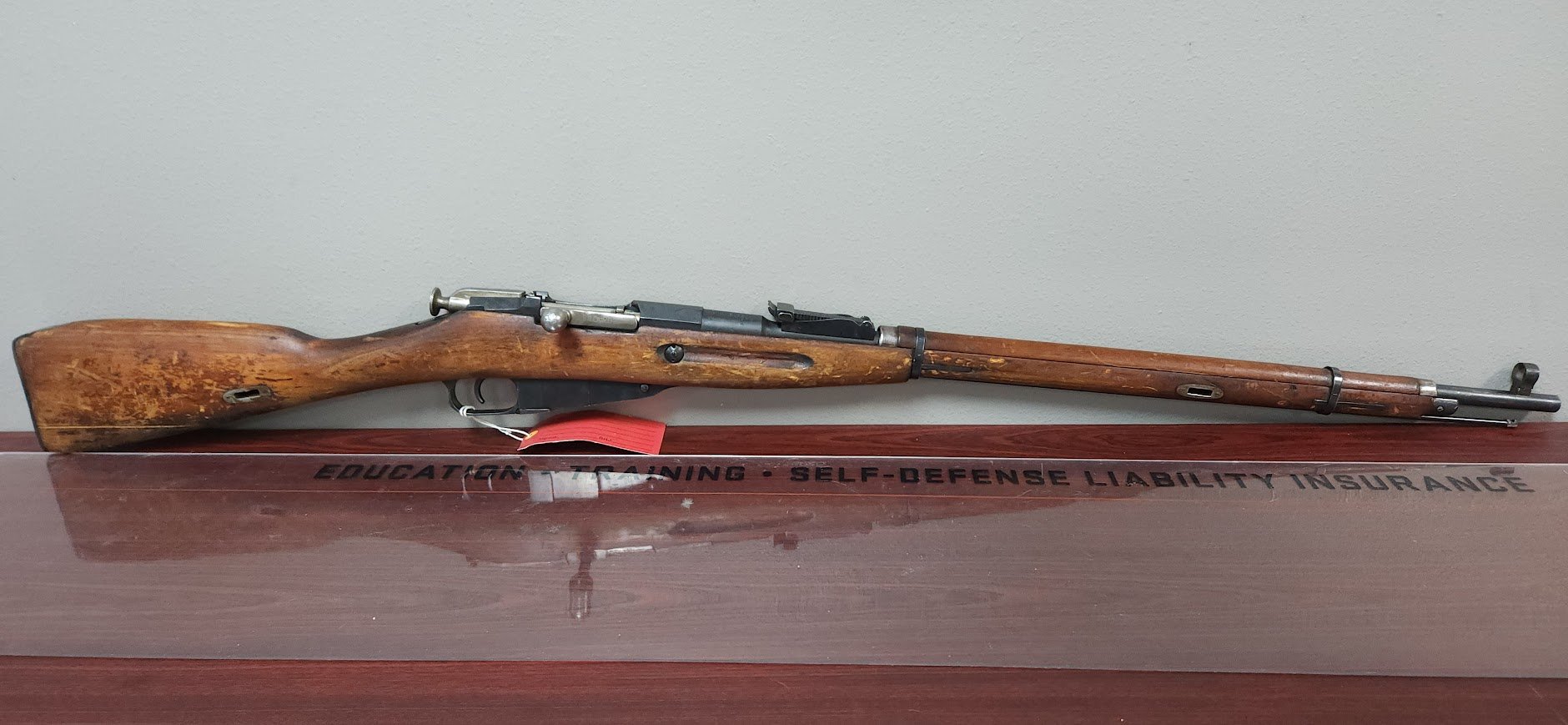
- M91/30. The 1930 modernization: shorter barrel, metric sights and a hooded front sight. This is the rifle most people mean by Mosin-Nagant.
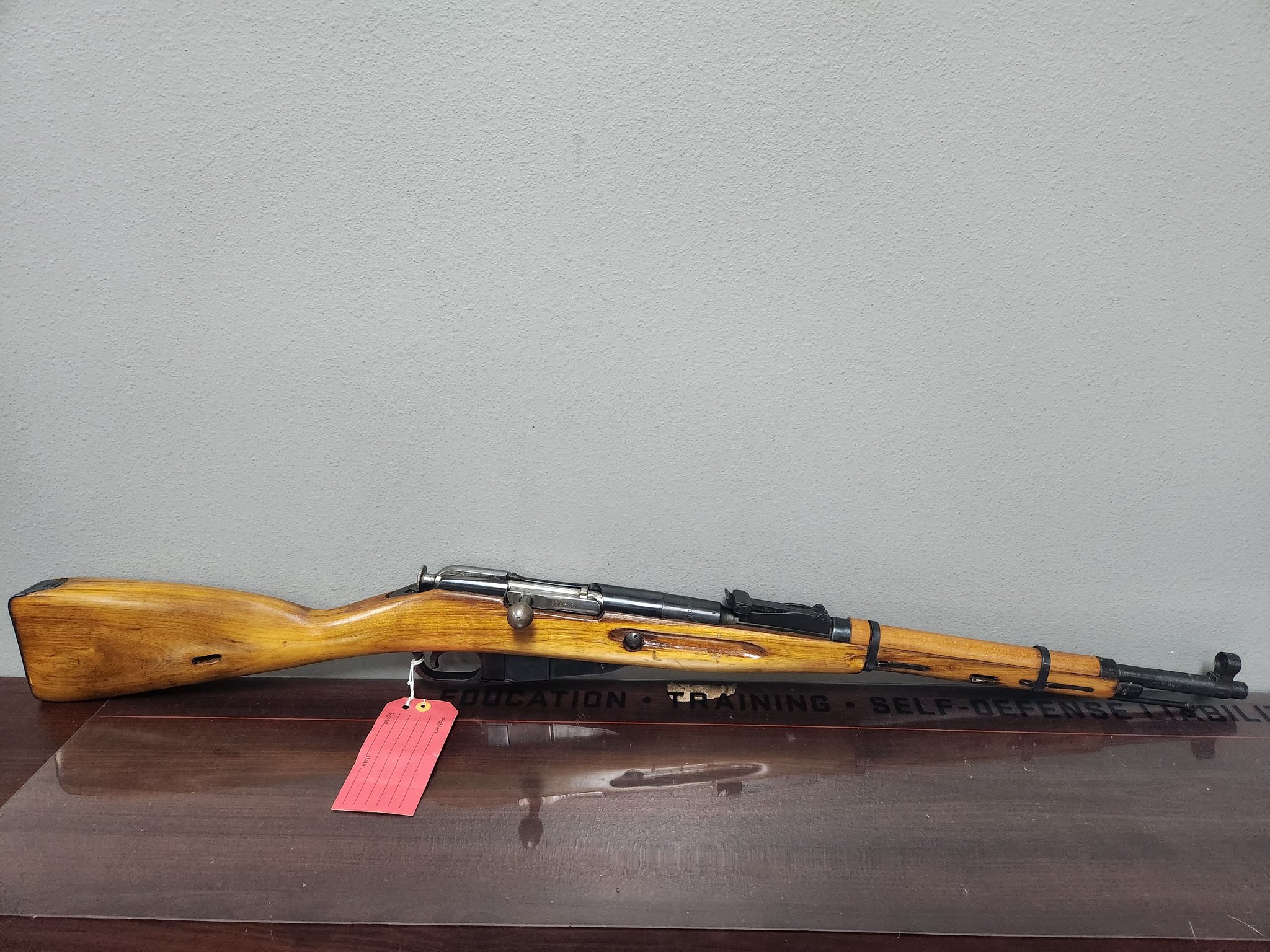
- M38 carbine. A short carbine without a bayonet, for troops who needed a lighter rifle.
- M44 carbine. A short carbine with a side-folding bayonet fixed to the barrel, adopted in 1944.
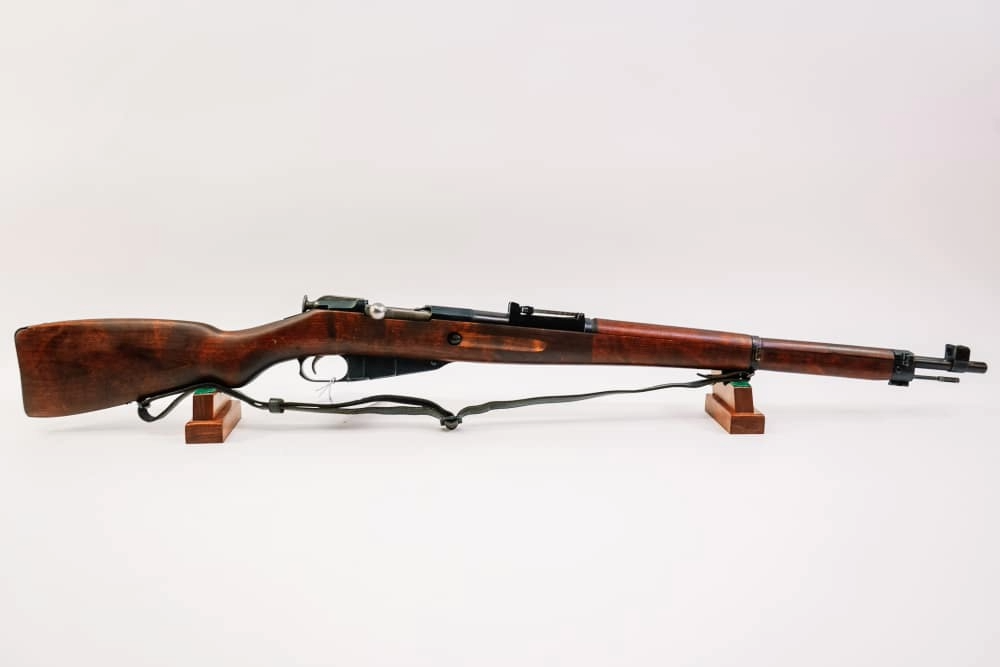
- Finnish rifles. Finland made and reworked its own Mosins, such as the M39, with improved sights and often better barrels. Finnish rifles carry SA property marks and are popular with shooters.
- Other countries. Poland, Hungary, Romania, China and Bulgaria made or converted Mosins, such as the Bulgarian M91/59 carbine made from 91/30s.
Hex and round receivers
Early 91/30s used a receiver with a hexagonal ring, the same shape as the old M1891. During the 1930s production moved to a simpler round receiver. Hex receivers are earlier and usually cost more; check the receiver ring before you pay a hex price.
Tula and Izhevsk
Two arsenals made most Soviet Mosins. Tula marked its rifles with a star, and Izhevsk with an arrow inside a triangle, with the year below. Some years are much scarcer than others, especially from Tula during the war years, when production moved. Wartime rifles are often rougher in finish, which collectors accept as part of their history.
Refurbishment and force-matched numbers
Most Mosins on the market went through a Soviet arsenal refurbishment after the war. Refurbished rifles have a new finish, heavy shellac on the stock, and serial numbers that were made to match by electro-penciling or restamping the old number with a line through it. These are called force-matched. That is normal and does not make a rifle unsafe, but a rifle that is truly matching, with original numbers, is worth more, and a non-refurbished rifle in original wartime condition is worth more again.
Snipers and Finnish captures
Sniper 91/30s with a PU scope and turned-down bolt handle are widely reproduced by fitting scopes to ordinary rifles. Look for the correct serial numbers on the scope and mount and ask for documentation. Finnish capture rifles, Soviet rifles taken and marked by Finland, are a collecting field of their own; the SA mark should be clear and correct for its period.
What to check before you buy
- Bore. Many Mosin bores are dark or frosted from corrosive ammunition, but shoot well. Strong pitting and a worn muzzle crown are worse signs.
- Bolt. Mosin bolts come apart easily and were often swapped. Check that the bolt number matches or is correctly force-matched.
- Headspace. Checked by a gunsmith, especially with a swapped bolt.
- Stock. Cracks at the wrist and at the recoil lugs, and whether the stock is original or a replacement.
- Sporterized rifles. Cut-down stocks and drilled receivers lower collector value; priced right, they can be good hunting rifles.
Our condition guide explains import marks and how to read a bore.
Ammunition
Most 7.62x54R surplus ammunition from the Eastern Bloc has corrosive primers. It is safe to shoot, but you must clean the bore and bolt face with a water-based cleaner the same day, or rust follows. Modern commercial 7.62x54R with non-corrosive primers is widely available and is the right choice for hunting, where expanding bullets are generally required for deer. See the surplus ammunition guide.
Common questions
How do I read the date on a Mosin?
The year of manufacture is stamped on the top of the receiver ring with the arsenal mark on Soviet rifles. Finnish rifles carry their own marks and sometimes a barrel date. Rifles converted from earlier models, such as many 91/30s made from M1891s, may show an older date and even Imperial markings.
Why is my Mosin bolt hard to open?
A sticky bolt usually comes from a dirty or rough chamber, from old preservative left in it, or from lacquer-coated steel-cased ammunition in a hot chamber. A thorough chamber cleaning fixes most cases. If it persists, have a gunsmith look at it.
Is a Mosin legal for deer?
In most rifle states, 7.62x54R is legal for deer with expanding hunting bullets. Military ball is generally not legal for big game. Check the state rules on the city pages.
Is a 91/30 too long?
With the bayonet fixed it is very long, and the rifle was zeroed with the bayonet on. Without it, many 91/30s shoot to a different point of aim; adjust your sight picture or zero accordingly.
C&R status
Military Mosin-Nagants made 50 or more years ago are curios or relics under 27 CFR 478.11. See the C&R license guide. The rifle's competitors make a good comparison: the Mauser and the Lee-Enfield. Every Mosin in the Mosin shelf ships to the dealer you choose.
General information, not legal advice. Current as of October 2026. Laws change; check the official source before you act.